The Ultimate Guide to Argentina Travel
Argentina is a land of staggering contrasts — from the Andean peaks and red deserts of the north to the icy wilderness of Patagonia and the tango-filled streets of Buenos Aires. It’s one of South America’s most diverse and exciting countries to explore, with a mix of European flair, Latin passion, and untamed natural beauty. Whether you’re here for the food and wine, road trips, or epic hikes, Argentina has something for everyone.
When to Visit Argentina
Because of its size and varied geography, the best time to visit Argentina depends on where you’re going.
- North (Salta, Jujuy, Iguazu): Best from April to November, when the weather is dry and comfortable. Summer (December–March) can be hot and rainy.
- Central Argentina (Buenos Aires, Mendoza, Córdoba): Great year-round, but spring (September–November) and autumn (March–May) bring mild temperatures and fewer crowds.
- Patagonia (Bariloche to Ushuaia): Best explored from November to March, when it’s warm enough to hike and camp. In winter (June–August), southern Patagonia is cold and many trails close, but skiing in Bariloche is fantastic.
Understanding Argentine Culture
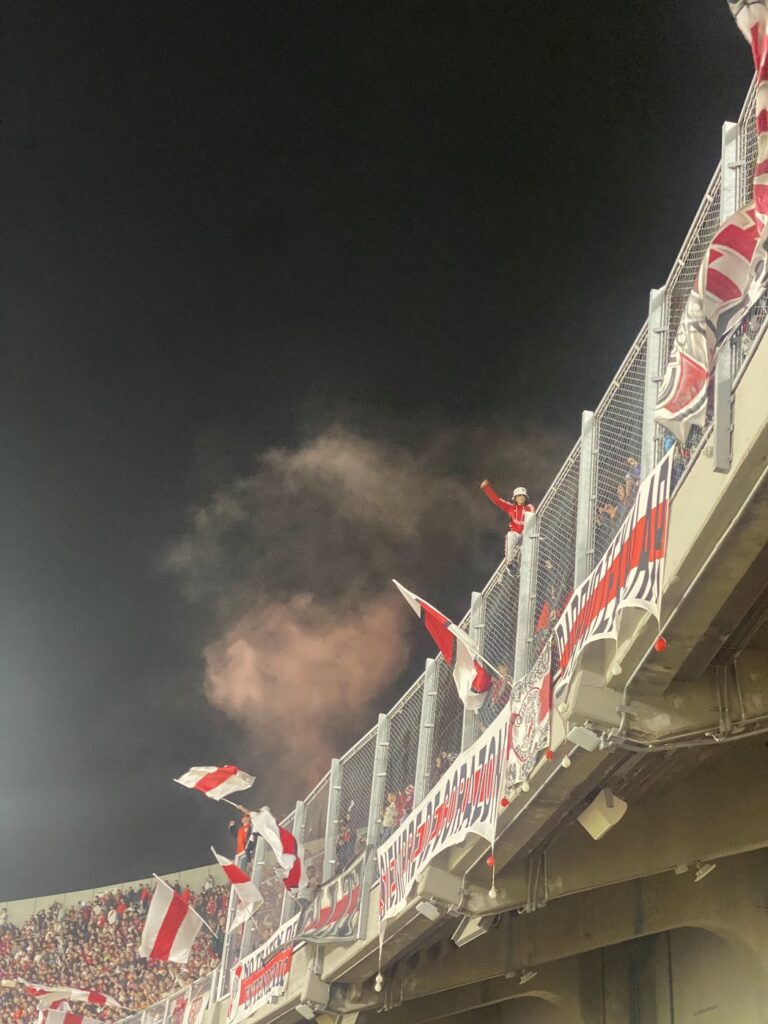
Argentina feels both European and Latin American at once. The people are warm, expressive, and proud of their culture. Whether it’s fútbol, tango, or the national obsession with mate, the herbal tea everyone drinks and shares. Buenos Aires is cosmopolitan and artistic, while smaller towns are relaxed and community-oriented.
Argentines value conversation and connection. Meals often stretch for hours, and social life revolves around food and family. You’ll notice the Italian influence in both the language (many speak with a sing-song rhythm called Rioplatense Spanish) and the cuisine. Outside the cities, the culture becomes more traditional and rural, especially in the Andean northwest and Patagonian countryside.

Brief History
Argentina’s history is marked by waves of migration and political transformation. Indigenous peoples lived here for thousands of years before Spanish colonization in the 1500s. The country gained independence in 1816, later welcoming millions of European immigrants, which shaped its culture and cities.
The 20th century saw periods of prosperity and instability, including the rule of Juan and Eva Perón, military dictatorships, and economic crises. Despite its turbulent past, modern Argentina is a stable democracy known for its creativity, resilience, and strong identity, where passion for art, football, and freedom runs deep.
Getting to Argentina
Most travelers fly into Buenos Aires, the main international hub with two airports. Ezeiza (EZE) is used for long-haul flights and Aeroparque (AEP) for domestic and regional routes.
You can also arrive by land or ferry:
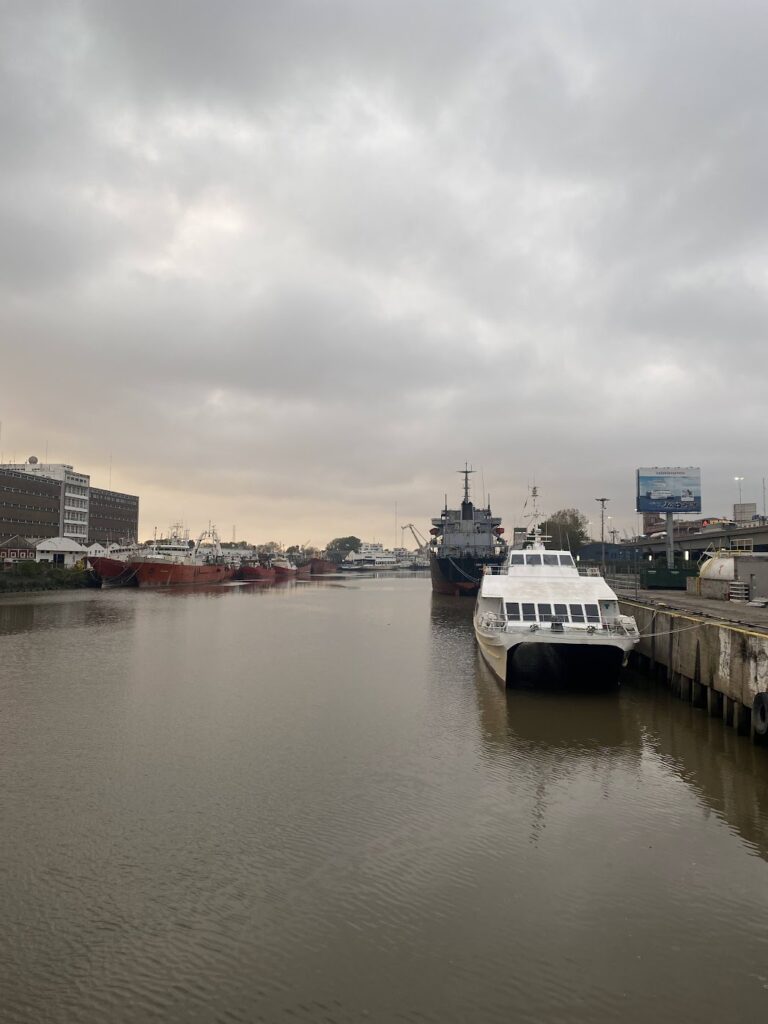
- Uruguay: Frequent ferries connect Montevideo or Colonia del Sacramento to Buenos Aires.
- Brazil: Cross near Iguazu Falls, where both sides of the park are worth visiting.
- Paraguay and Bolivia: Land borders connect easily to Argentina’s northern provinces.
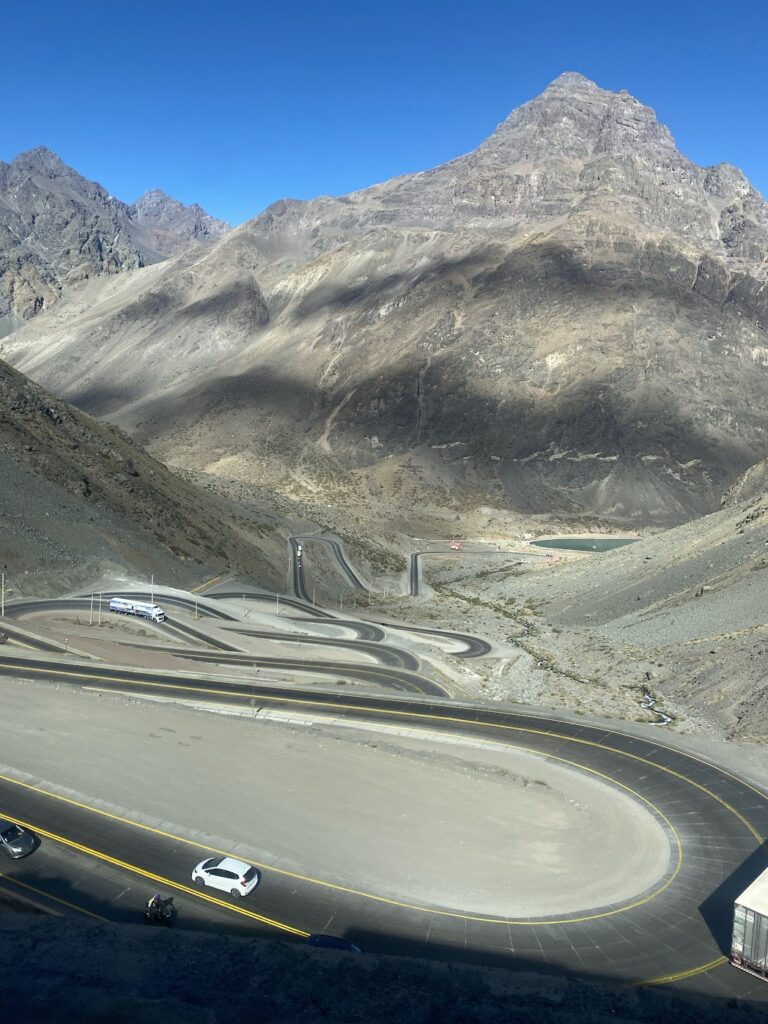
- Chile: Several scenic crossings link the two countries, notably between Mendoza and Santiago. There are many throughout Patagonia, where it’s highly recommended to cross back and forth to explore both sides of the Andes.
Argentina for First-Timers: Visa, SIM, ATMs, and More
Visa
Most travelers from Europe, North America, and many other regions can enter visa-free for 90 days. Extensions are possible at immigration offices or by doing a “visa run” into a neighboring country (crossing for a day then crossing back).
Internet
SIM cards are easy to buy at airports or kiosks from Claro, Movistar, or Personal. You can also pre-order a data plan through Saily for a quick eSIM setup before landing.
Want to take out the stress of getting a SIM Card in another country and be connected as soon as you step in?

Money & ATMs
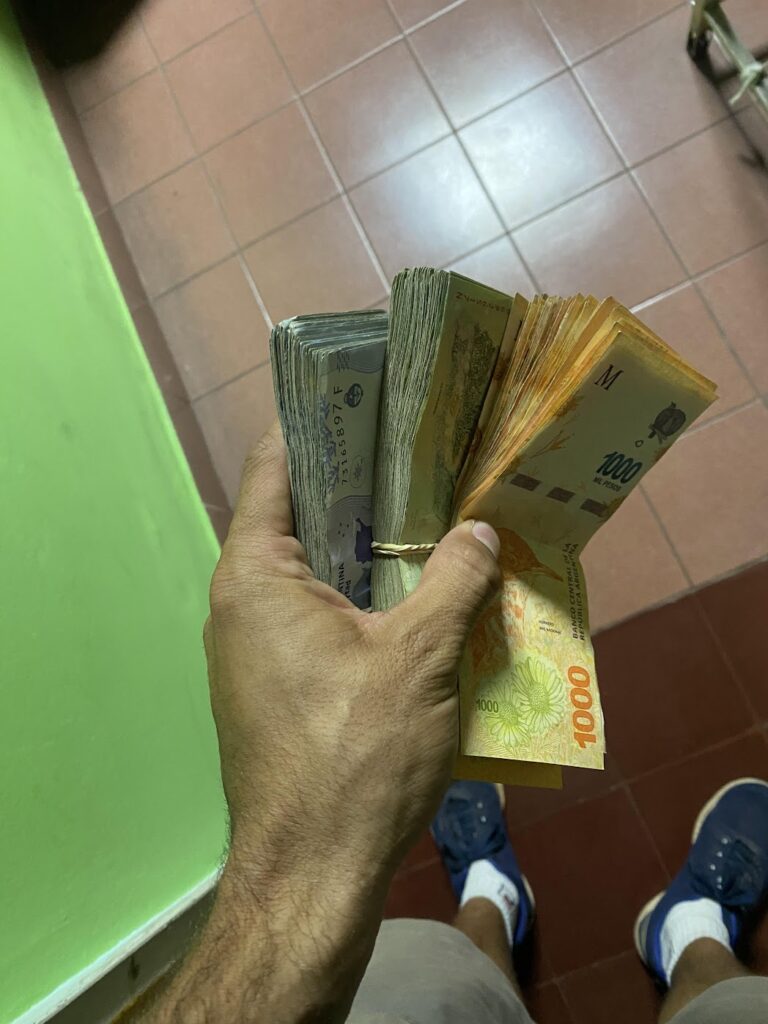
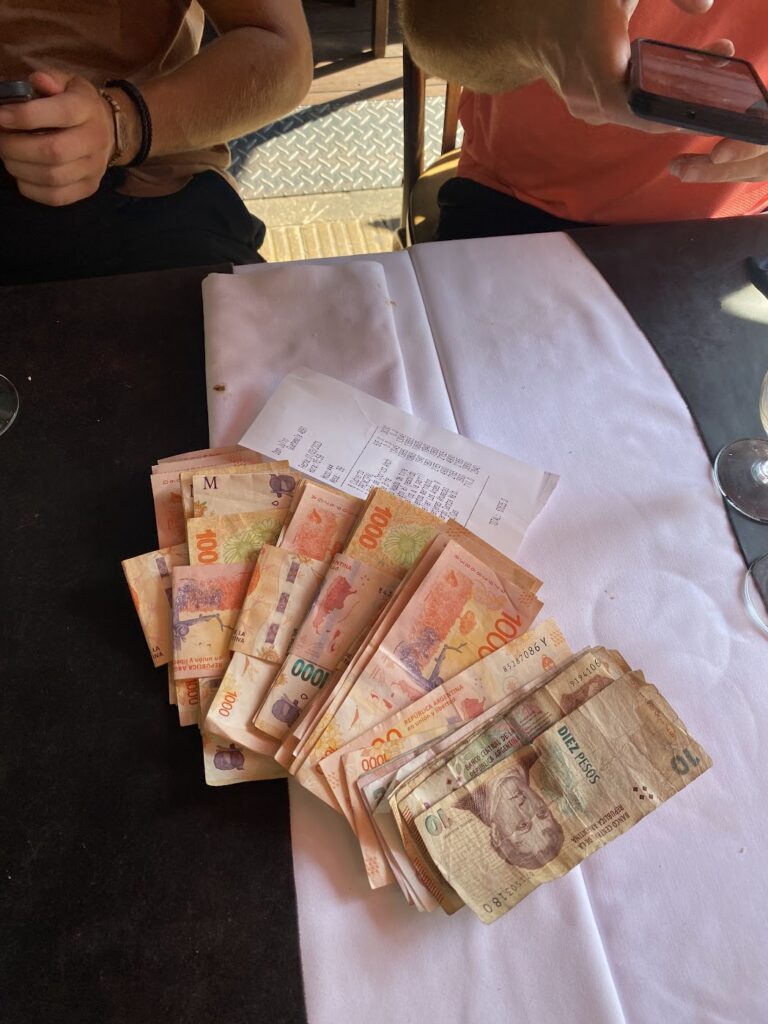
The local currency is the Argentine Peso (ARS). Due to fluctuating exchange rates, it’s often better to bring USD in cash and exchange at cambio offices or withdraw using Western Union transfers. ATMs can charge high fees. Credit cards are widely accepted in cities but less so in rural areas.
Communication
Spanish is the official language of Argentina, but it sounds quite different from what you’ll hear in countries like Peru or Colombia. Argentines speak a unique variation called Rioplatense Spanish, most common around Buenos Aires and Uruguay. One of its most noticeable features is the “sh” or “zh” sound they use for the letters ll and y. So instead of saying “yo” like “yo,” an Argentine might pronounce it more like “sho” or “zho.”
They also use a lot of slang, so it takes some getting used to. English is spoken in major tourist destinations like Buenos Aires, Mendoza, and Bariloche, but not as much in smaller towns. Learning a few basic Spanish phrases or picking up some lunfardo expressions goes a long way.
Want to be protected from accidents around the world, wherever you go?

Argentina by Region: What to Expect
The North
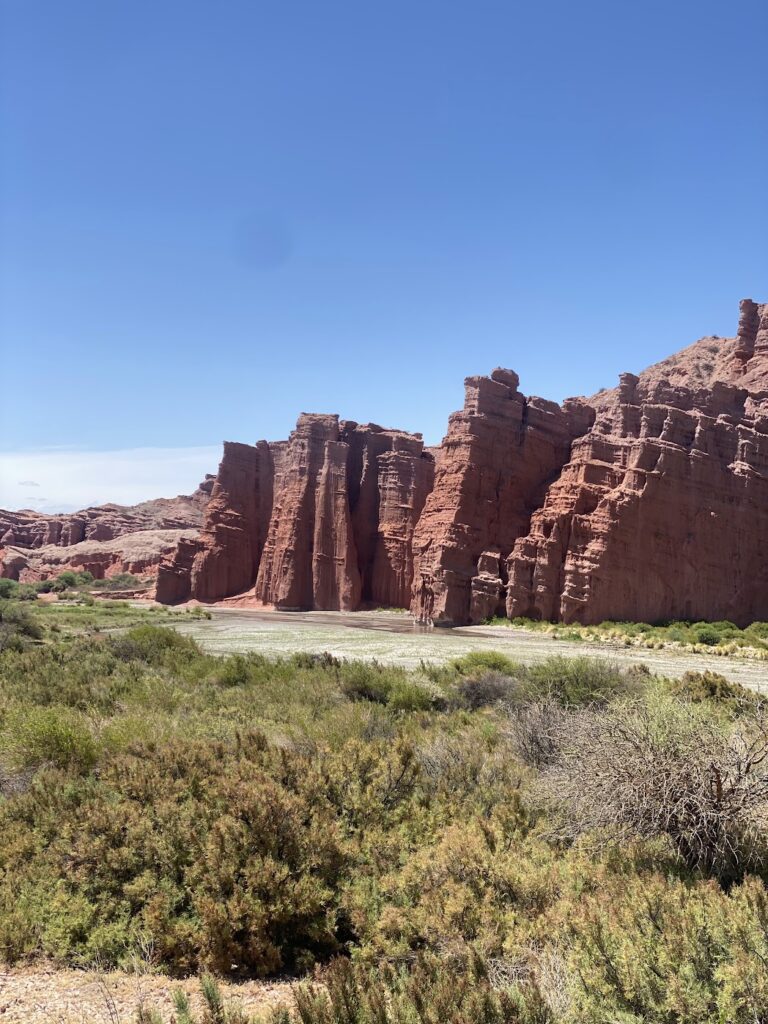
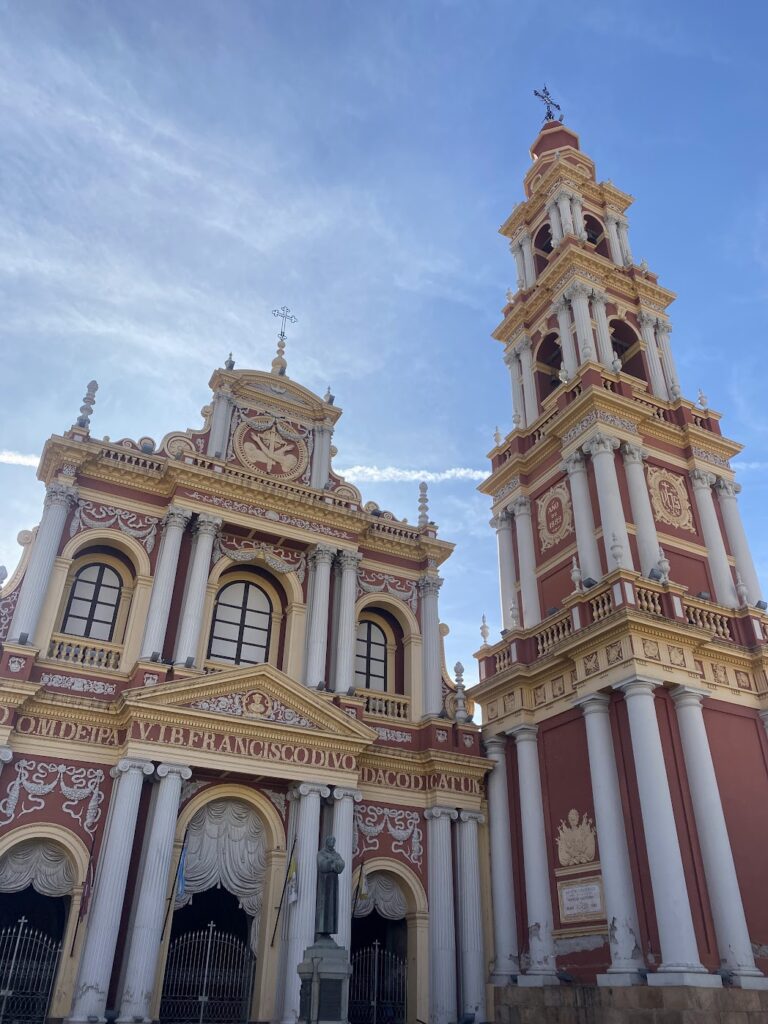
The Salta and Jujuy regions in northwest Argentina are rich in Andean culture with Indigenous traditions, colonial towns, and incredible road trips through deserts, valleys, and colorful landscapes.
- Salta: A perfect base to explore the Calchaquí Valleys, with stunning red canyons and vineyards.
- Purmamarca & Humahuaca: Known for the “Hill of Seven Colors” and Quebrada de Humahuaca’s dramatic scenery.
- Cafayate: A smaller, quieter wine region famous for its crisp Torrontés wines.
Central Argentina
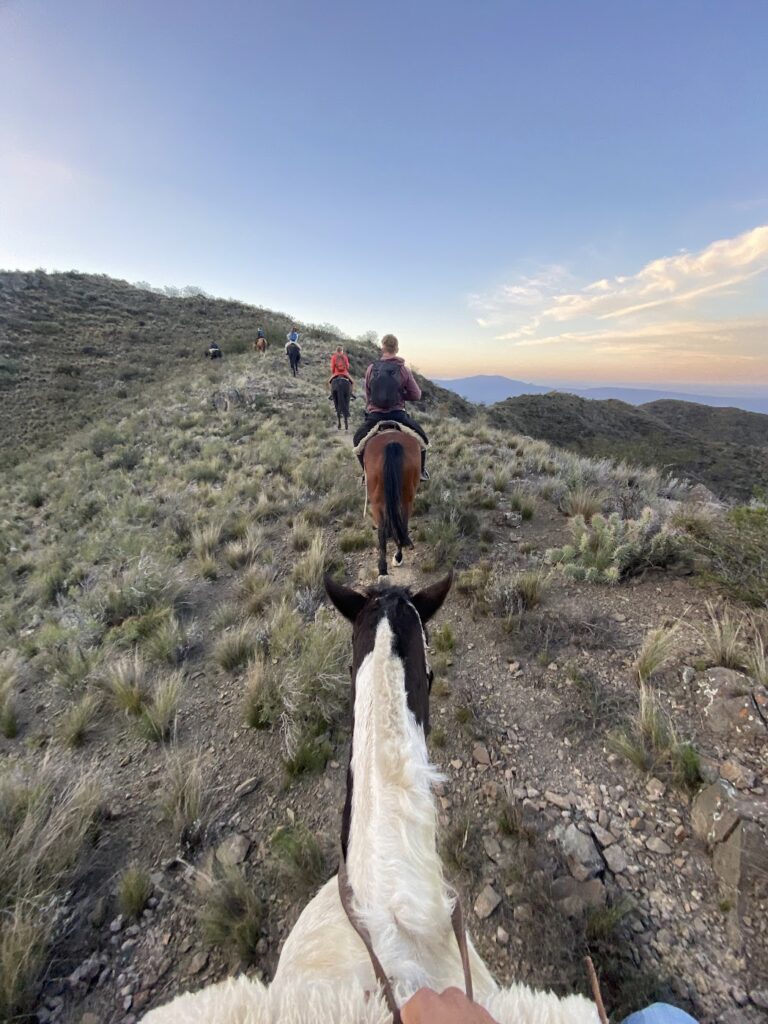
The heart of the country blends adventure, wine, and culture. It’s ideal for road trips, food, and outdoor activities, offering a great balance between culture and nature.
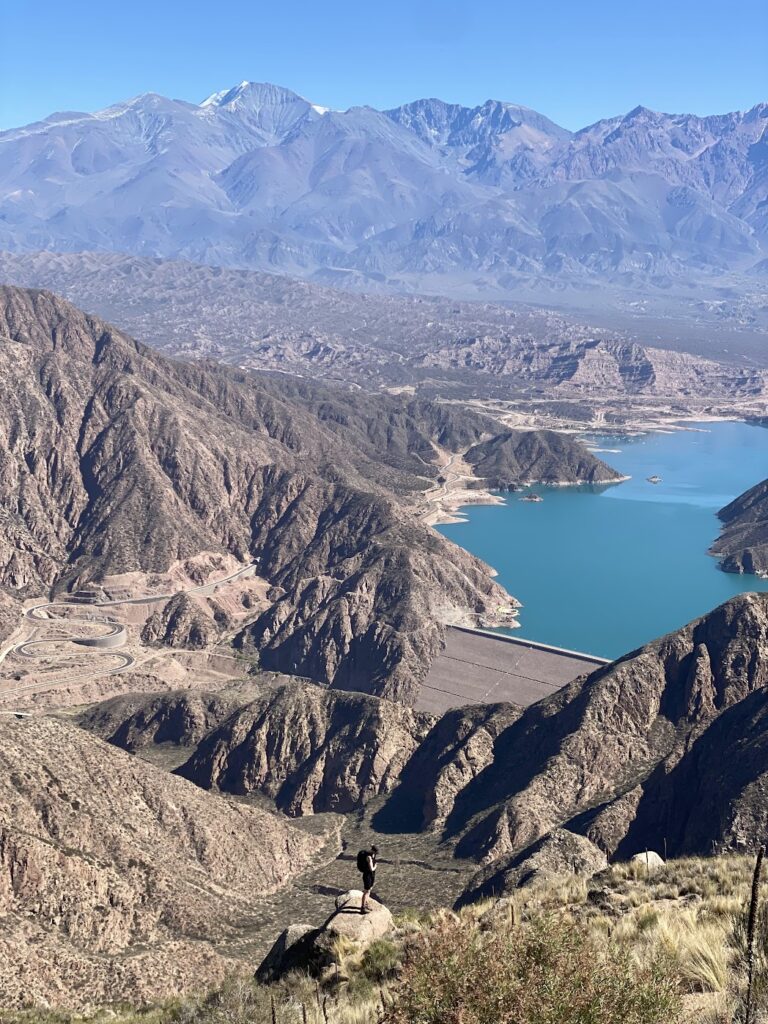
- Mendoza: Argentina’s wine capital, at the foot of the Andes — go for vineyard tours, mountain views, and rafting.
- Córdoba: A lively student city surrounded by sierras, hiking trails, and rivers.
- Talampaya & Ischigualasto: UNESCO-listed parks with surreal rock formations and dinosaur fossils.
The East
This region includes Argentina’s urban and tropical highlights. It’s where most tourists arrive and might visit on their first trip to the country. It combines cosmopolitan life with tropical adventure, from city streets to jungle borders.
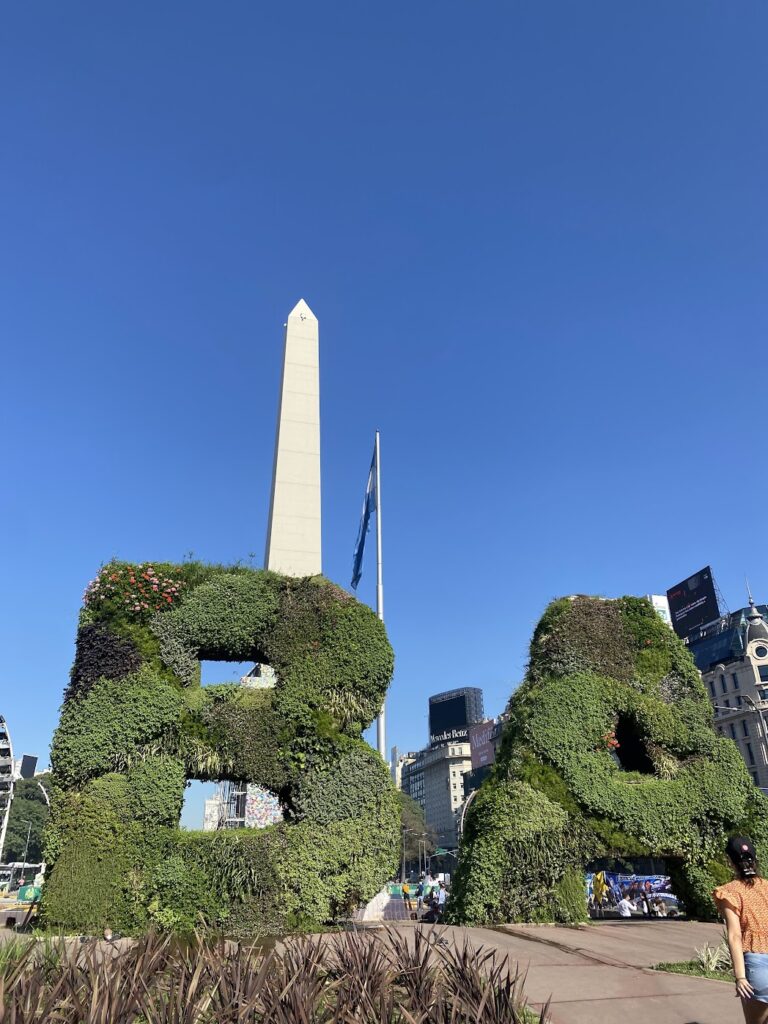
- Buenos Aires: The beating heart of Argentina. Elegant architecture, tango, nightlife, steakhouses, and endless cafés.
- Rosario: A laid-back river city with art, music, and local charm.
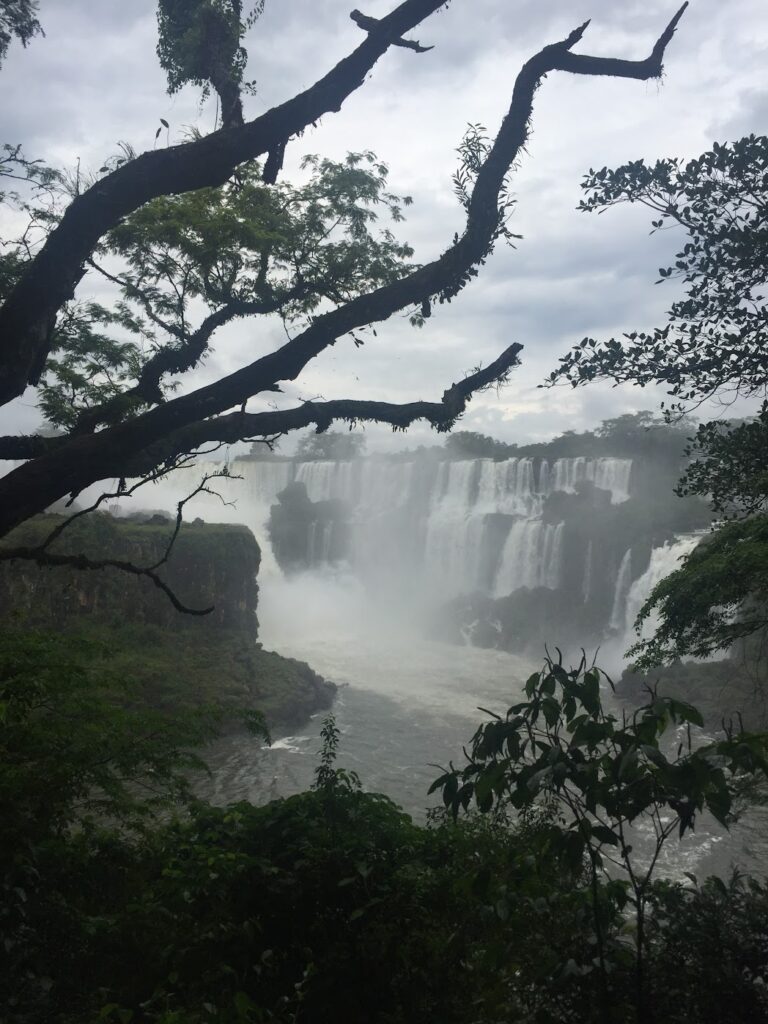
- Iguazu Falls: One of the world’s most impressive waterfalls, shared with Brazil.
- Bahía Blanca: A quiet coastal city popular with locals.
Northern Patagonia
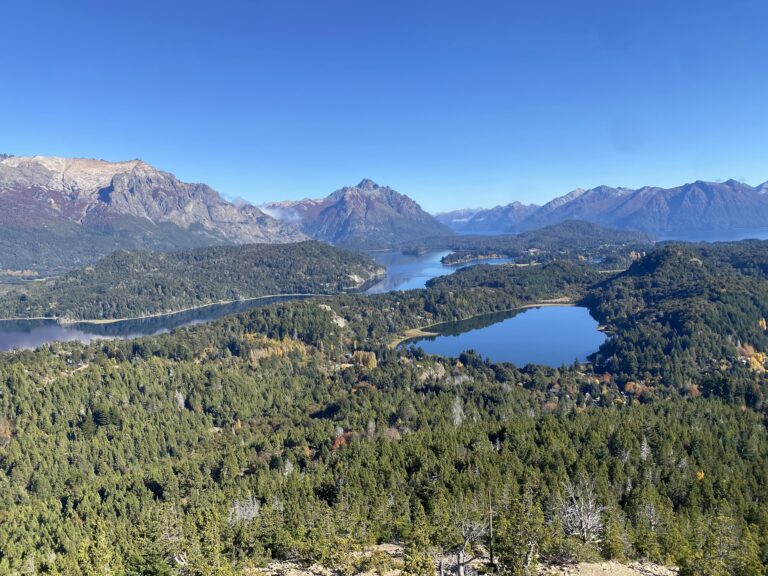
Where mountains meet lakes, this region is made for road trips and outdoor lovers. Northern Patagonia is perfect for both summer hikes and winter skiing, with scenery that feels like the Swiss Alps of South America.
- Bariloche: A classic stop for hiking, chocolate, and alpine scenery.
- El Bolsón: A relaxed, artistic town surrounded by forests.
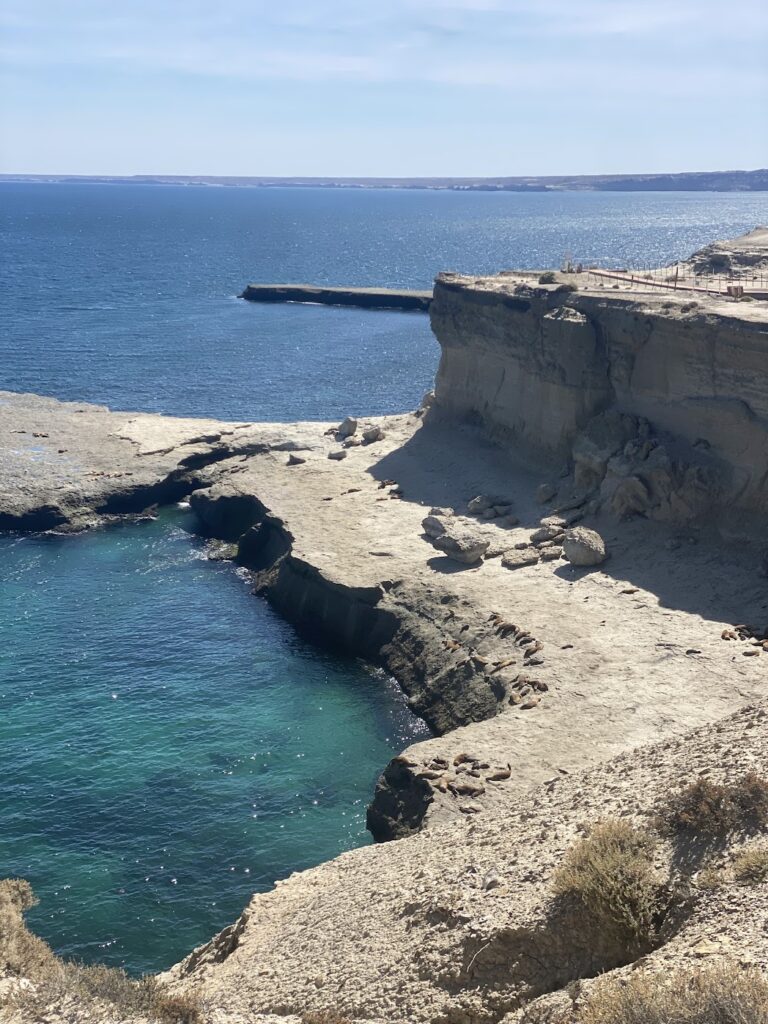
- Puerto Madryn: The place for whale watching and penguin colonies on the Valdés Peninsula.
Southern Patagonia
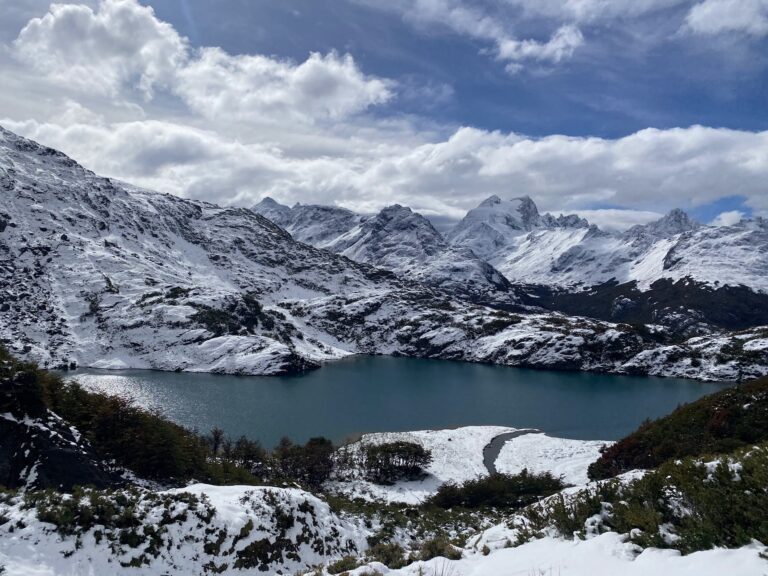
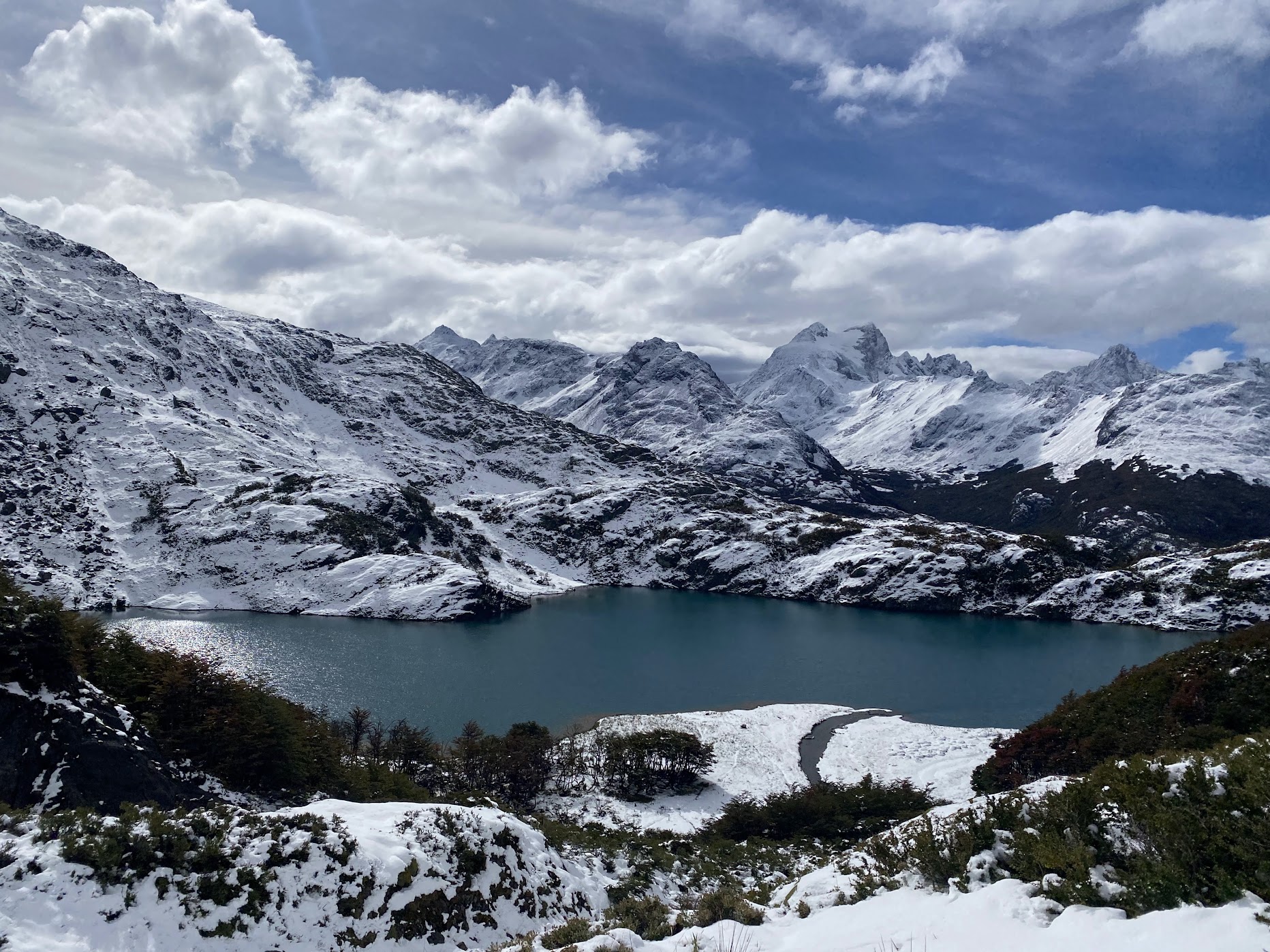
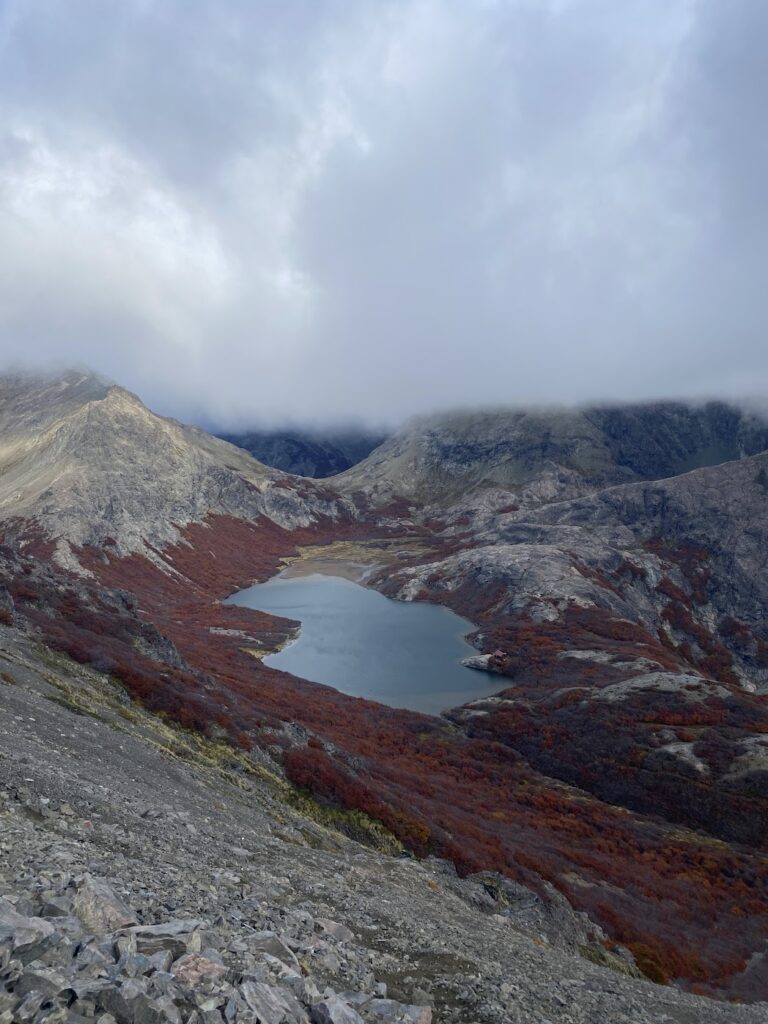
Argentina’s wildest frontier, stretching all the way to the “end of the world.” Expect glaciers, wind, and unbelievable landscapes — Patagonia’s south is remote, raw, and unforgettable.
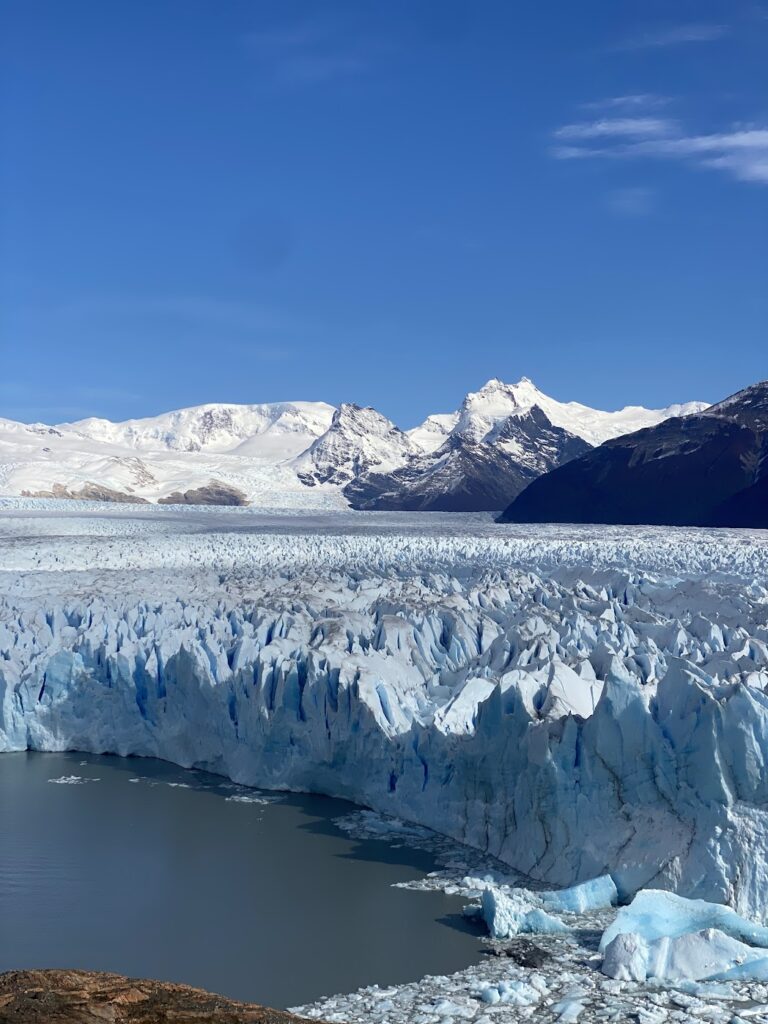
- El Calafate: Gateway to Perito Moreno Glacier, one of the few advancing glaciers left.
- El Chaltén: The trekking capital of Argentina, home to the famous Mount Fitz Roy.
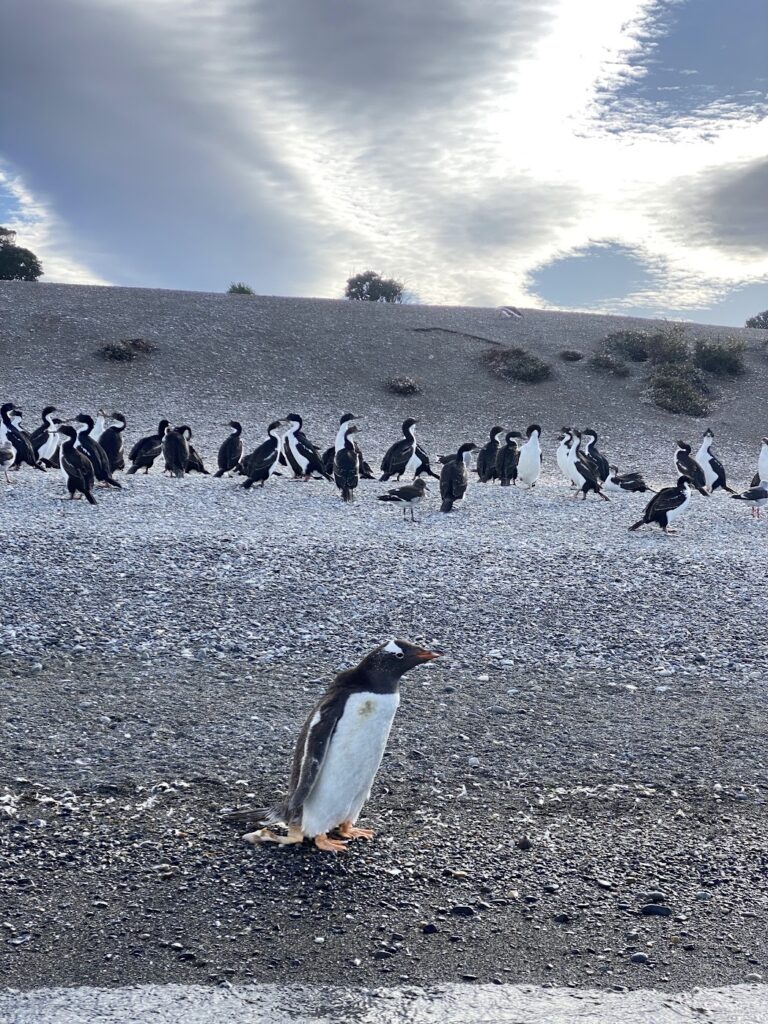
- Ushuaia: The southernmost city on Earth, and the departure point for Antarctica cruises.
Getting Around Argentina
Argentina is quite big, so you’ll definitely need to find the best way to explore as much of the country as you can. Domestic flight routes are extensive and often the fastest way to cover long distances, though frequently you have to connect through Buenos Aires. Aerolineas Argentinas, Flybondi, and JetSmart offer regular service. There are a couple of scenic trains, but nothing for getting from point A to B, meaning buses will be your best bet most of the time. Like much of South America, there are comfortable long-distance buses that connect nearly every city and region. You can even book “Cama” or “Cama Suite” seats that fully recline.
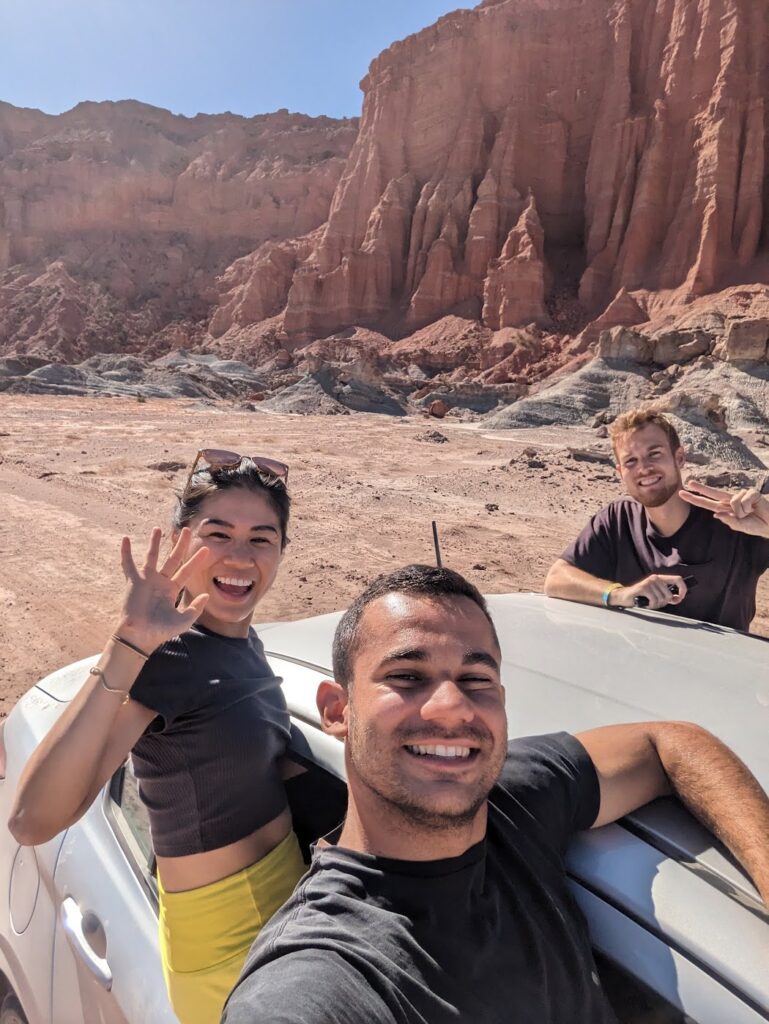
The last option is cars, which can get you to many places that buses can’t. Car rentals are popular in some areas and great for exploring wine regions and Patagonia, where distances are large and scenery is endless. It was one of the few countries in South America where I ended up renting a car, and I did it twice! Once to do a road trip from Salta to Cafayate, and the other time to do a road trip from Mendoza up to Talampaya National Park.
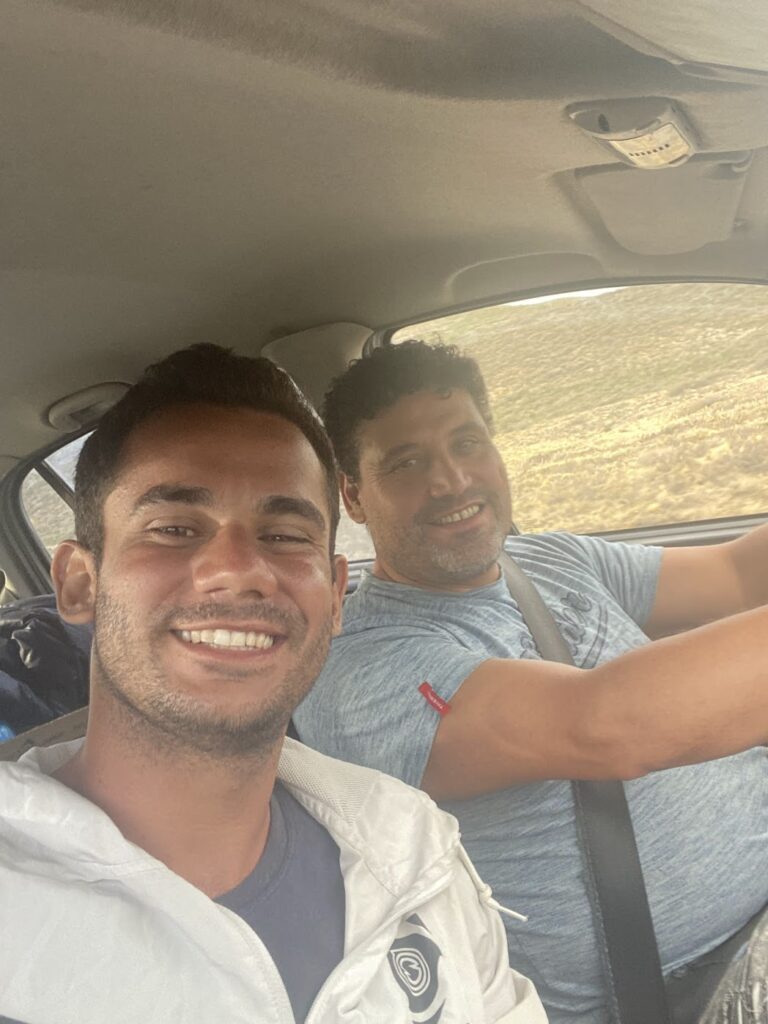
But you don’t have to necessarily spend money to get around. I also did lots of hitchhiking in Patagonia, where the buses are limited and expensive. I even hitchhiked from Buenos Aires all the way down to Ushuaia.
Argentine Food You Have to Try
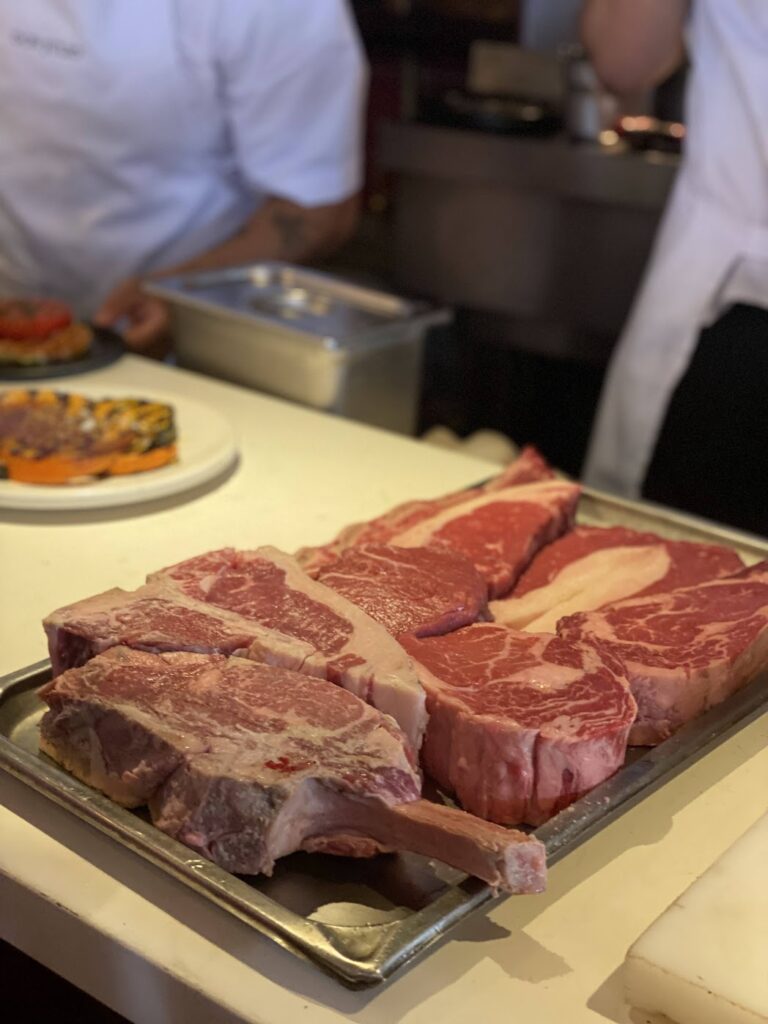
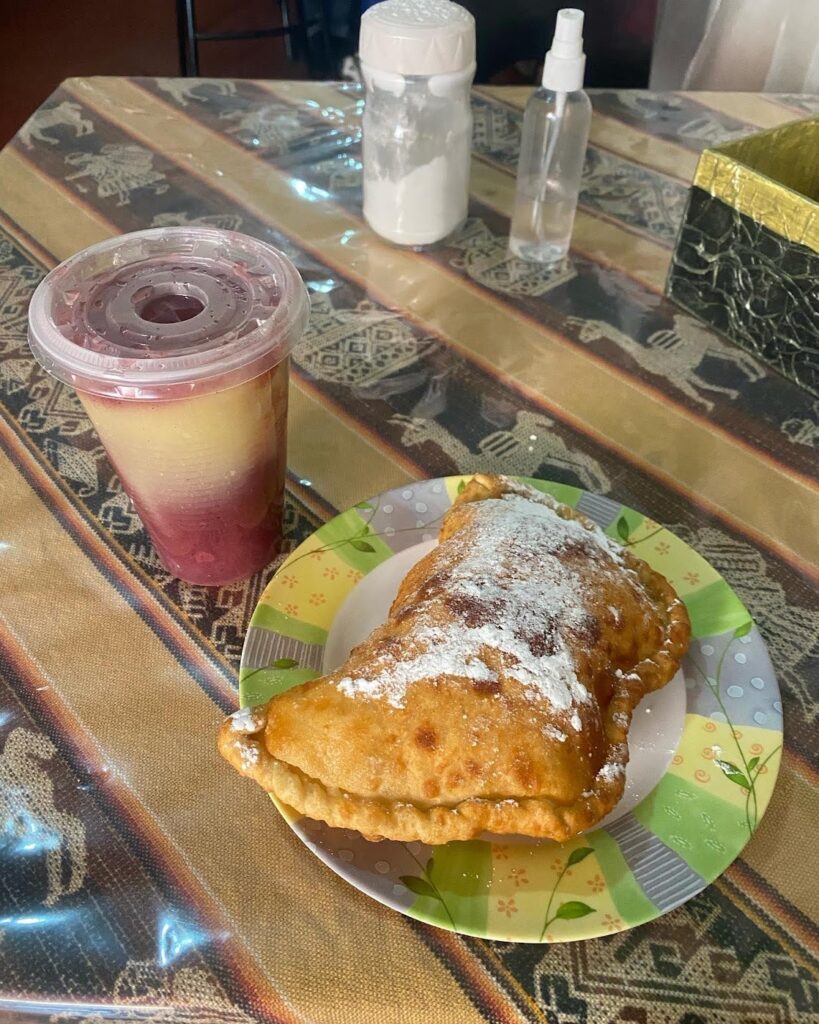
Argentina has got to be one of my favourite cuisines in the world. The mouth-watering steaks, milanesas, choripan, empanadas, and alfajores for dessert. Just writing this is making me hungry. All of it is amazing, except for Mate, which is a very acquired taste that I’m still not very fond of.
- Asado: The ultimate Argentine barbecue — slow-grilled meats cooked over charcoal.
- Empanadas: Baked or fried pastries filled with beef, cheese, or chicken.
- Milanesa: Breaded cutlets, usually served with fries or in a sandwich.
- Provoleta: Grilled provolone cheese topped with herbs — an asado essential.
- Locro: A hearty corn and meat stew, often eaten on national holidays.
- Choripán: Grilled sausage in crusty bread, usually with chimichurri.
- Alfajores: Sweet cookies filled with dulce de leche, coated in chocolate or sugar.
- Mate: The herbal tea shared everywhere — a daily ritual and social tradition.
Major Cultural Events and Festivals
- Carnaval de Gualeguaychú: Argentina’s most famous carnival, held every summer in Entre Ríos.
- Fiesta Nacional de la Vendimia: March in Mendoza — celebrates the grape harvest with parades, music, and wine.
- Tango Buenos Aires Festival: August — the world’s largest tango event, with free performances and competitions.
- Fiesta Nacional de la Nieve: July in Bariloche — celebrates winter with skiing and music.