
The Ultimate Guide to Vietnam Travel
Vietnam is one of the most dynamic and rewarding countries to travel in Southeast Asia. A long, slender land that feels like three countries in one. From misty northern mountains and emerald rice terraces to ancient imperial cities, buzzing motorbike chaos, and tropical beaches, Vietnam has it all. The culture, food, and even the weather change drastically as you move from north to south, making it one of the most diverse travel destinations in the region.
When to Visit Vietnam
Because of Vietnam’s length and geography, the weather varies dramatically between regions. There’s no single perfect time to visit the whole country. When it’s dry and cool in one region, it might be rainy or humid in another. If you plan to explore the entire country, February to April or October offer the most balanced weather overall.
- North: The best time to visit is from October to April, when the air is cooler and drier. Expect cold nights in December and January, especially in the mountains. From May to September, heavy rains arrive, but this is also when rice terraces are lush and green.
- Central: Central Vietnam experiences a dry season from February to August, with lots of sunshine. It’s great for beaches and road trips. The rainy season (September to December) can bring typhoons, especially around Hue and Hoi An.
- South: Tropical and hot year-round. The dry season runs from December to April, with clear skies and great beach weather. The rainy season (May to November) brings short, intense downpours, but travel is still very possible.
Understanding Vietnamese Culture
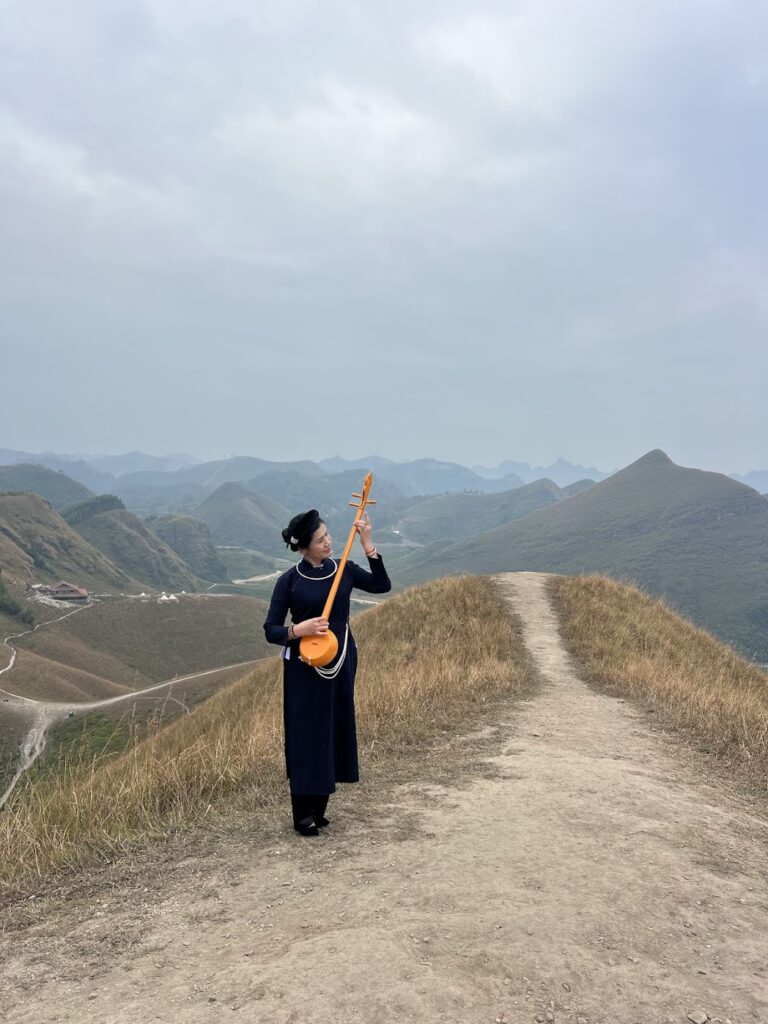
Vietnamese culture blends ancient traditions with modern resilience. The country has been shaped by Confucianism, Buddhism, and Taoism, with strong family values and deep respect for ancestors. Daily life revolves around community. You’ll often see locals socializing over iced coffee or bowls of noodles on tiny street stools.
Each region feels distinct: the north is more traditional and formal, the central region is proud of its imperial heritage, and the south is more relaxed and entrepreneurial. Street food is a major part of life, and meals are seen as a social event, not just a necessity. Despite its rapid modernization, Vietnam still holds tightly to its traditions, festivals, and sense of identity.

Brief History
Vietnam’s history is long and layered, marked by resilience and independence. For over a thousand years, it was under Chinese rule, which influenced its language, cuisine, and philosophy. Later, French colonization in the 19th century introduced Catholicism, baguettes, and European architecture, much of which remains today.
After World War II came the Vietnam War (or American War), one of the most defining and painful periods in modern Vietnamese history. The war ended in 1975, leading to reunification under a communist government. There is a lot to see throughout the country regarding the war (the war museum in Ho Chi Minh is one of the best museums I’ve ever visited)! Since opening its economy in the 1980s, Vietnam has transformed rapidly, becoming one of Asia’s fastest-growing and most traveler-friendly nations. Today, it balances modern growth with an unmistakable sense of heritage and pride.
Getting to Vietnam
This part is pretty easy. Vietnam is well-connected by air and land. There are three main international hubs, one in each of the regions. Hanoi in the north, Da Nang in the center, and Ho Chi Minh City in the south. You can also enter by land borders from neighboring countries. Trains, buses, and even river boats operate across some borders, making overland travel simple for backpackers:
- Cambodia: By far the most popular crossing is between Phnom Penh and Ho Chi Minh City, though there are others.
- Laos: Crossings at Dien Bien Phu, Lao Bao, or Cau Treo are frequently used.
- China: Border points like Hekou–Lao Cai or Dongxing–Mong Cai connect easily to northern Vietnam.
Vietnam for First-Timers: Visa, SIM, ATMs, and More
Visa
Some nationalities, especially Europeans, can enter visa-free for 15 to 45 days, but this varies from country to country. For longer stays, you can apply for an eVisa online, valid for 90 days and multiple entries. Always check the latest policy before your trip, as Vietnam frequently updates its visa rules.
Vietnam has a very strict visa policy, and I have met dozens of travelers who had issues with their visas. It’s straightforward to apply online, but small details like a misspelling in your middle name may cause your visa to be denied or prevent you from boarding the plane. In which case, there are emergency visas, but they come at a hefty price tag.
Internet
SIM cards are cheap and reliable. Major providers include Viettel, Mobifone, and Vinaphone. You can also order one in advance through Saily for hassle-free airport pickup or eSIM setup.
Want to take out the stress of getting a SIM Card in another country and be connected as soon as you step in?

Money & ATMs
The currency is the Vietnamese Dong (VND), and the exchange rate is about $1:25000. Be ready to become a millionaire! ATMs are widely available, though some charge withdrawal fees. Credit cards are accepted only in chain hotels and restaurants in big cities, but cash is king everywhere else.
Communication
English is commonly spoken in tourist zones, but learning a few Vietnamese phrases, like “Xin chào” (hello) and “Cảm ơn” (thank you) goes a long way in connecting with locals.
Want to be protected from accidents around the world, wherever you go?
Vietnam by Region: What to Expect
The North
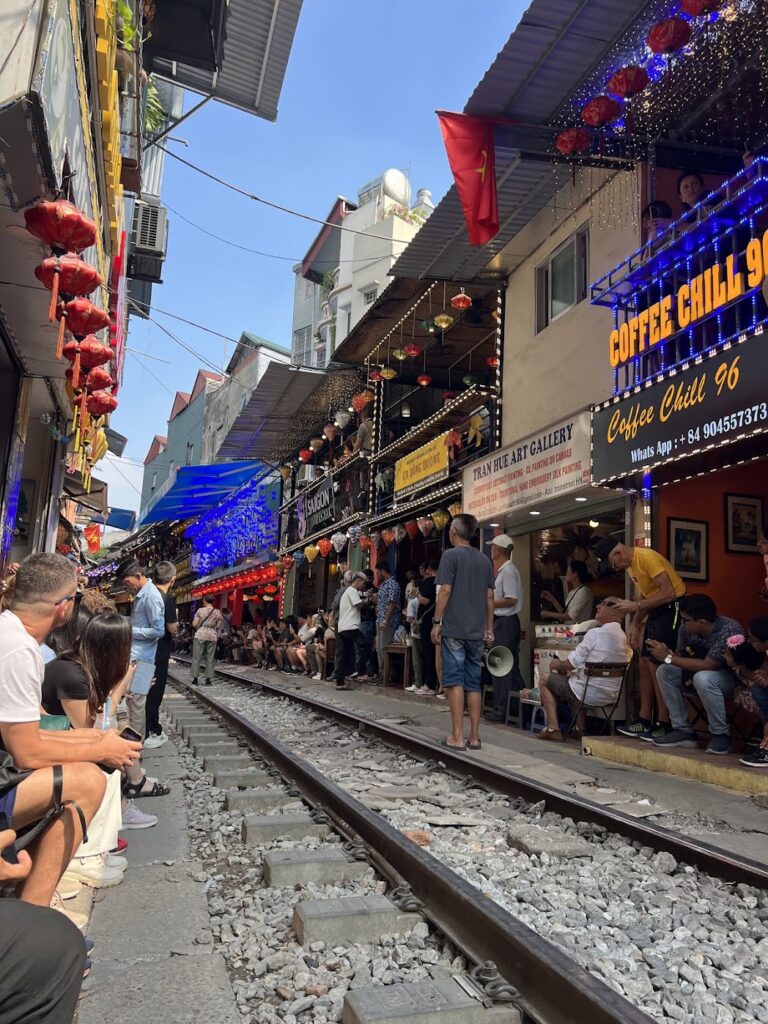
This is where Vietnam’s soul feels oldest and most dramatic. The north is more traditional and rural, with strong ties to Vietnam’s ancient culture and hill tribe communities. Hanoi, the capital, mixes French colonial architecture, street food chaos, and serene lakes. From here, most travelers venture out to explore:
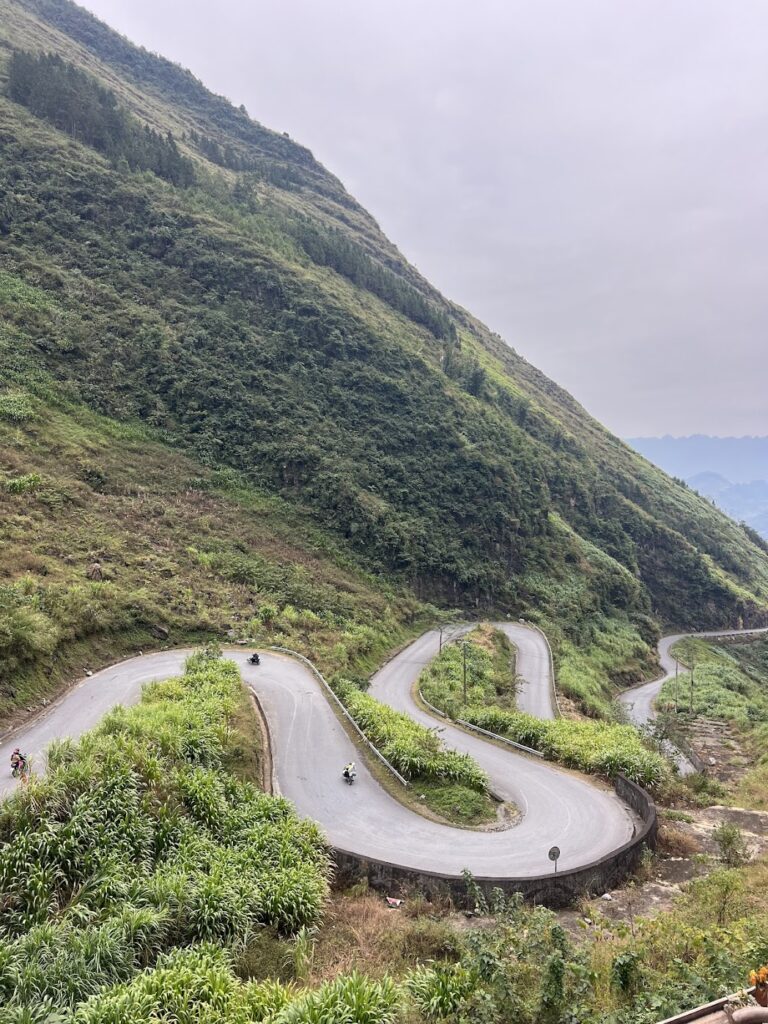
- Ha Giang Loop – A jaw-dropping motorbike route through limestone peaks and ethnic minority villages.
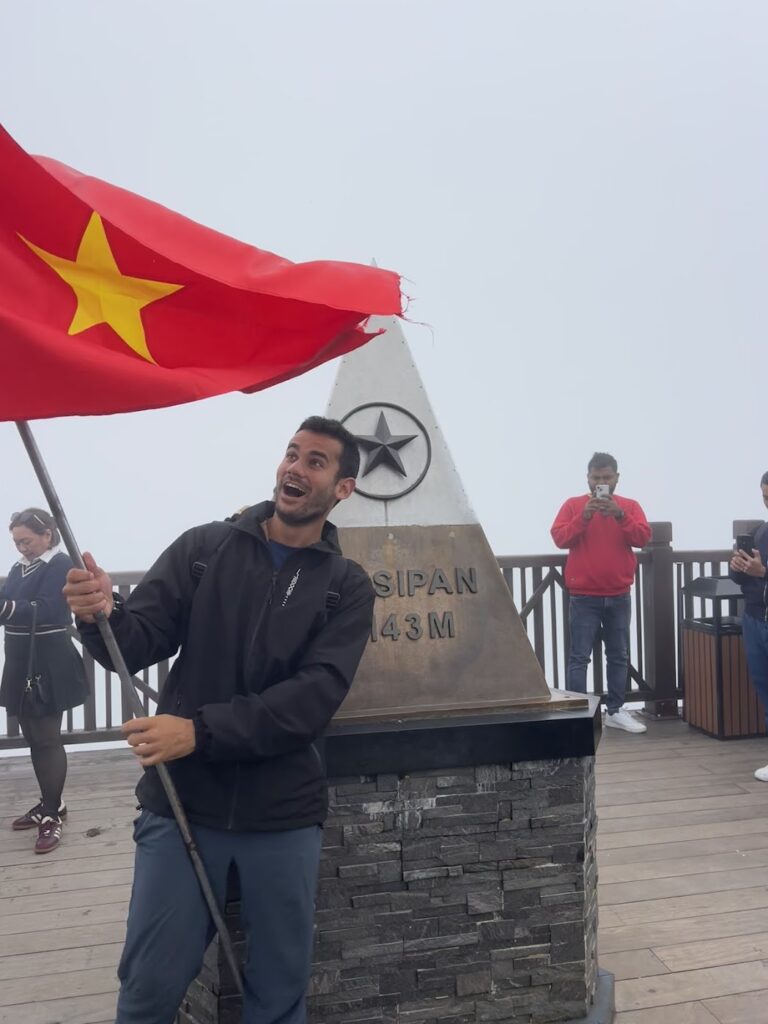
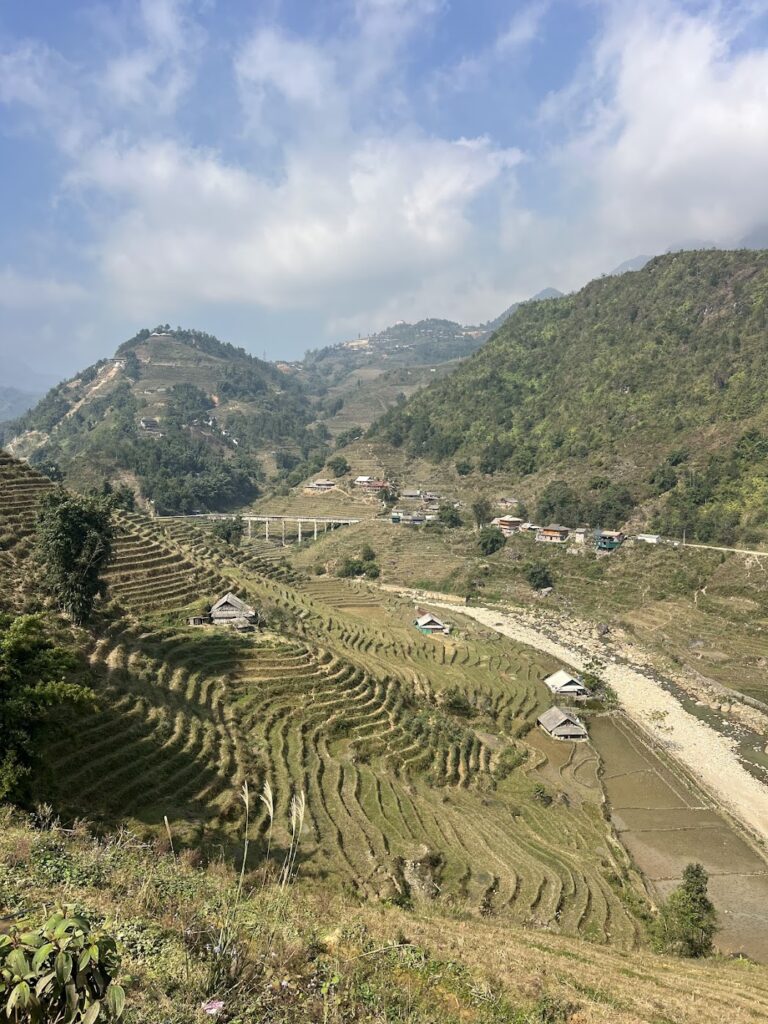
- Sapa – Famous for its rice terraces and trekking trails, often mist-covered but breathtaking.
- Ha Long Bay & Cat Ba Island – A UNESCO World Heritage site with thousands of limestone islands rising from emerald waters.
- Ninh Binh – Known as “Ha Long Bay on land,” where you can row through caves between karst cliffs.
- Cao Bang – Home to Ban Gioc, one of Asia’s most stunning waterfalls, at the border with China.
- Mai Chau – A peaceful valley surrounded by the most iconic rice fields and local homestays.
Central Vietnam
Central Vietnam blends history, beaches, and adventure. The landscapes range from lush national parks to golden coastlines. Central Vietnam is a bridge between north and south, both geographically and culturally. It has its own cuisine, traditions, and even accents.
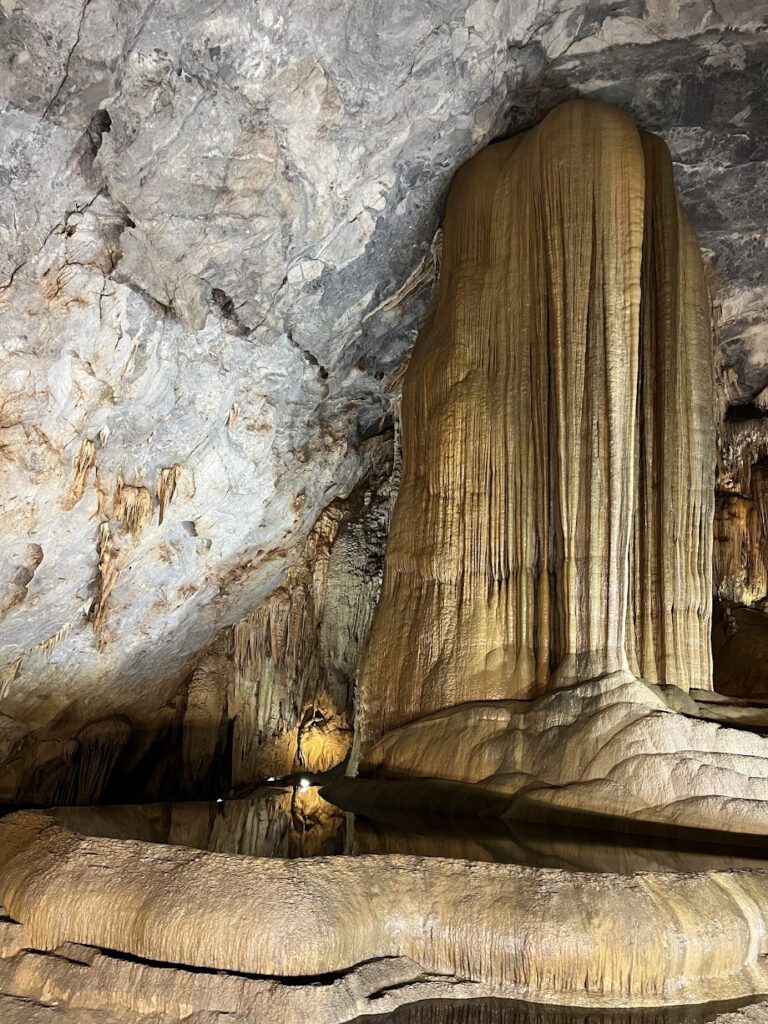
- Phong Nha – A caving paradise and home to the world’s largest cave, Son Doong.
- Hue – The former imperial capital, filled with ancient citadels, temples, and royal tombs.
- Da Nang – A growing coastal city with long beaches, mountains, and great food.
- Hoi An – The country’s most charming town, with lantern-lit streets, old architecture, and a relaxing vibe.
- Buon Ma Thuot – Coffee country, where travelers can visit plantations and waterfalls away from the crowds.

The South
The South is warm, energetic, and vibrant year-round. It’s more modern and outward-looking, with faster growth and a different rhythm of life than the north. Ho Chi Minh City (Saigon) is the modern heart of Vietnam. Its chaotic traffic, rooftop bars, markets, and fascinating war history make for an adventure. Beyond the city:
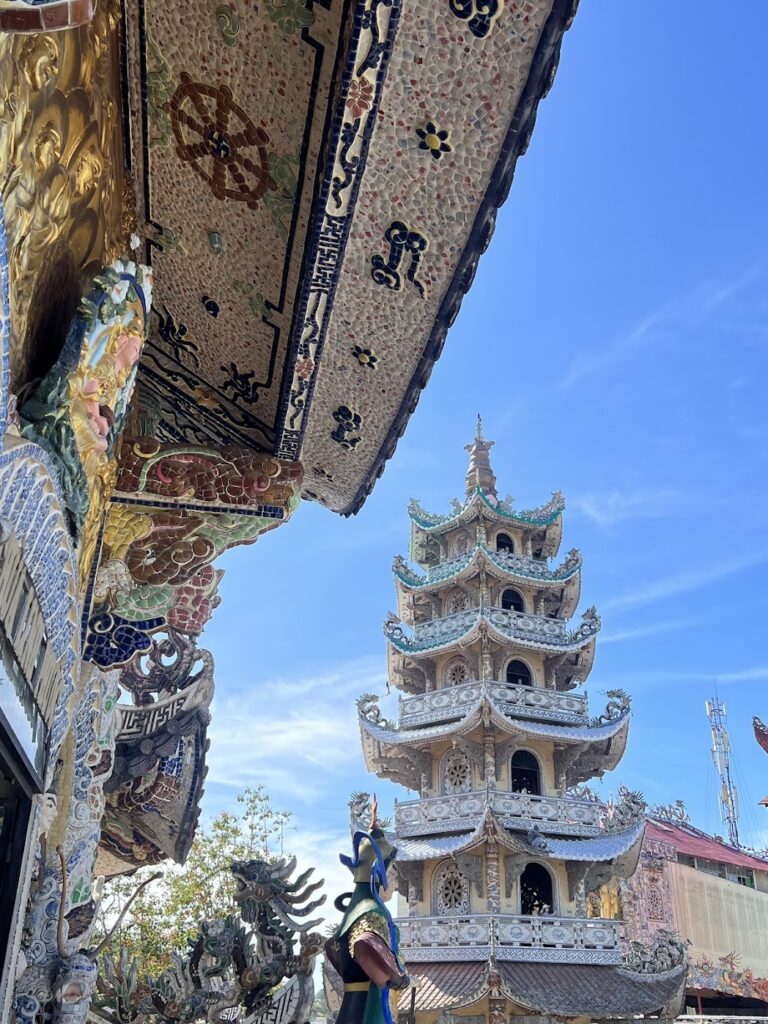
- Dalat – A cool mountain escape known for flowers, waterfalls, and adventure sports.
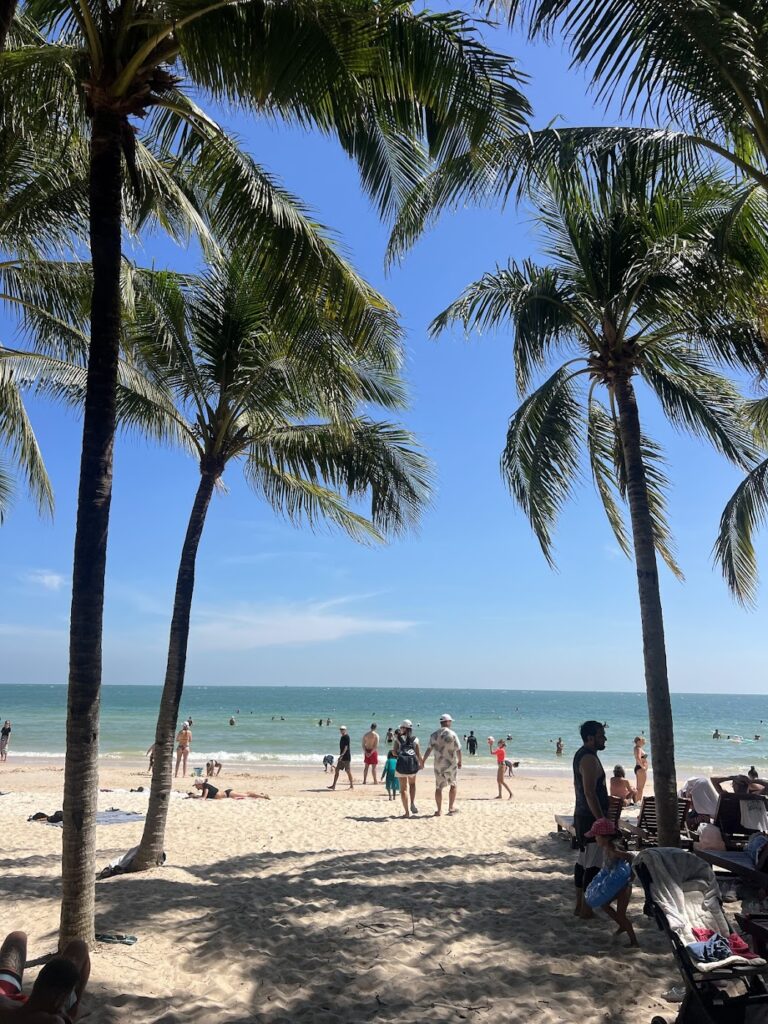
- Mui Ne – A laid-back beach town famous for sand dunes and kite surfing.
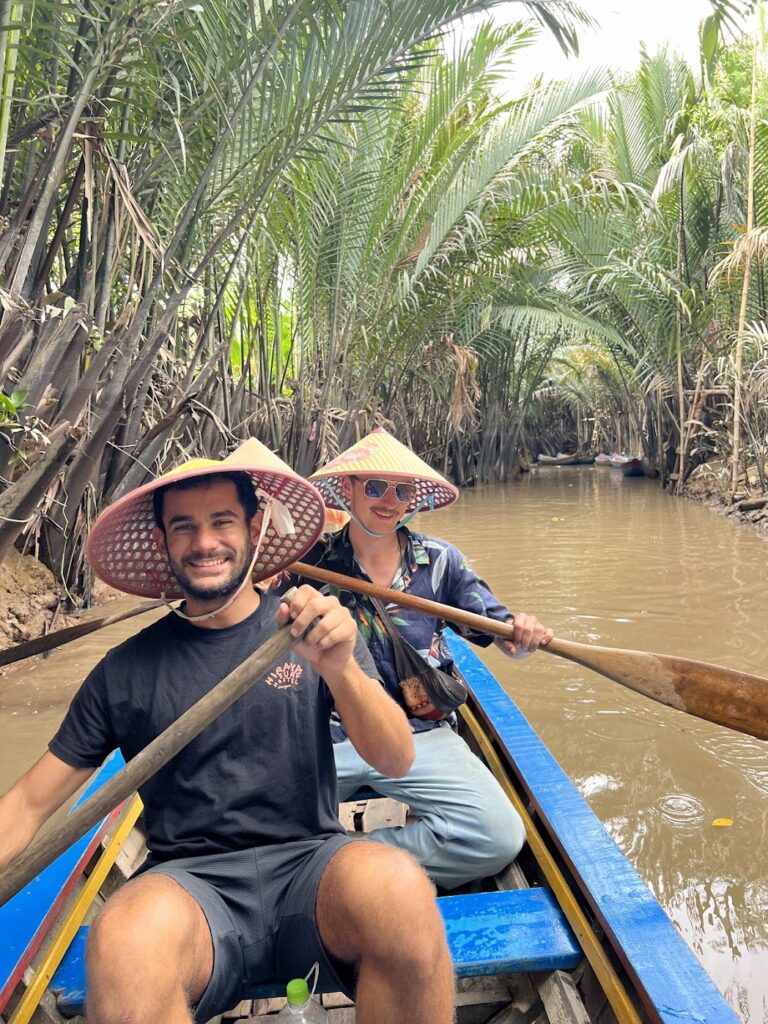
- Mekong Delta – A maze of rivers, floating markets, and lush farmland, perfect for slow travel.
- Phu Quoc Island – Vietnam’s top tropical getaway with white-sand beaches and clear water.
Getting Around Vietnam
Vietnam’s long shape makes travel surprisingly easy. You can go from top to bottom by plane, train, or bus. If you’re up for an adventure, you can pretty easily rent or even buy a motorcycle and sell it once you’re done; that’s what I did! Vietnam is arguably the best country in the world to do this. If you want to take it easy, domestic flights are cheap and plentiful, especially on airlines like the notorious VietJet.

Trains also run from Hanoi down to Ho Chi Minh and up to Sapa, which is always a great way to explore a country. The most common way of transport, however, is the buses. Vietnam is famous for having the best, or the worst, buses, depending on how much you’re willing to pay. But the journeys can be very long, so it may be worth paying a bit extra to get a full bed instead of a stool in the aisle.
Vietnamese Food You Have to Try
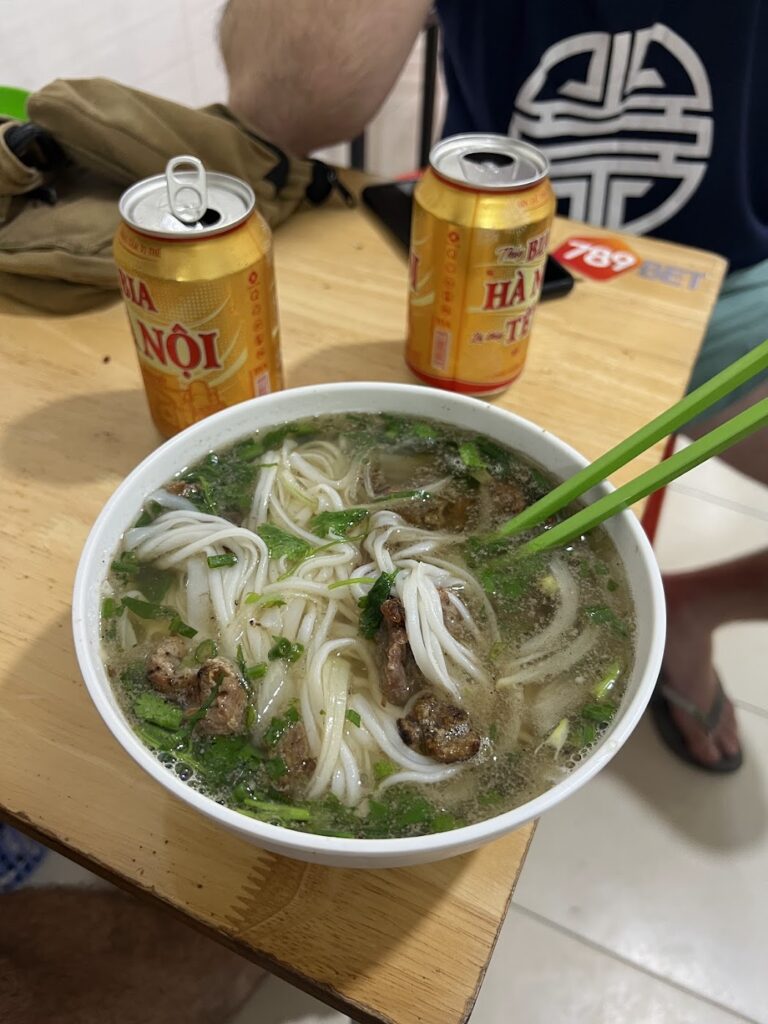
I’ll be honest, I was a little bit disappointed with the food. Maybe it’s just because my expectations were too high. Don’t get me wrong, the food is great, but anywhere outside of the major cities, there wasn’t too much variety, and I was basically living off of Pho and Banh Mi.
- Phở: The world-famous noodle soup, eaten any time of day.
- Bánh Mì: A crispy baguette sandwich filled with pork, pâté, and herbs.
- Bún Chả: Grilled pork with noodles and dipping sauce — a Hanoi specialty.
- Cao Lầu: Chewy noodles unique to Hoi An, served with pork and greens.
- Mì Quảng: Turmeric noodles from central Vietnam topped with shrimp and peanuts.
- Bánh Xèo: Crispy rice pancakes stuffed with pork, shrimp, and bean sprouts.
- Cơm Tấm: “Broken rice” with grilled meat, a southern comfort food classic.
- Chè: Sweet dessert soups and puddings, often with beans, coconut, or jelly.

Major Cultural Events and Festivals
- Tet (Vietnamese New Year): January or February — the most important celebration, when the whole country shuts down to visit family.
- Hue Festival: Every two years (April–May) — cultural shows and parades in the old imperial city.
- Hoi An Lantern Festival: Monthly, during the full moon — the town glows with floating lanterns.
- Mid-Autumn Festival: September — colorful lanterns, mooncakes, and street performances across the country.
- Da Lat Flower Festival: Every two years in December — showcases Vietnam’s floral capital in full bloom.