

The Ultimate Guide to Malaysia Travel
Malaysia is one of Southeast Asia’s most diverse and underrated destinations. A country where bustling cities meet lush rainforests, white-sand islands, and deep cultural roots. From ultra-modern Kuala Lumpur to the historic charm of Penang. From Borneo’s wild jungles to the laid-back beaches of the east coast, Malaysia offers something for every kind of traveler. It’s also one of the easiest countries to travel in the region: clean, affordable, friendly, and filled with incredible food influenced by Malay, Chinese, and Indian cultures.
When to Visit Malaysia
Because Malaysia straddles the equator, it’s warm and humid all year round, but the weather varies between coasts and regions. The west coast of Peninsular Malaysia (including Langkawi, Penang, and Kuala Lumpur) is best from December to April, while the east coast (Perhentian Islands, Redang, Tioman) shines from April to October. Borneo (Sabah and Sarawak) is fairly consistent year-round but sees heavier rain from November to February. If you’re visiting multiple regions, you’ll almost always find good weather somewhere.
Understanding Malaysian Culture
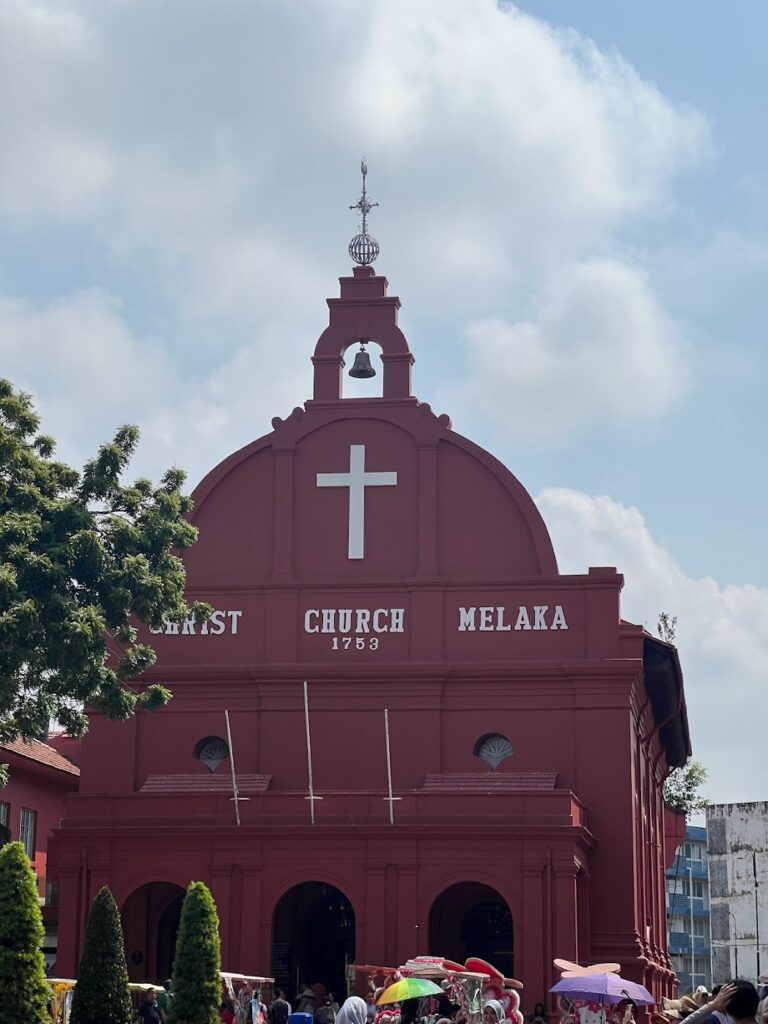
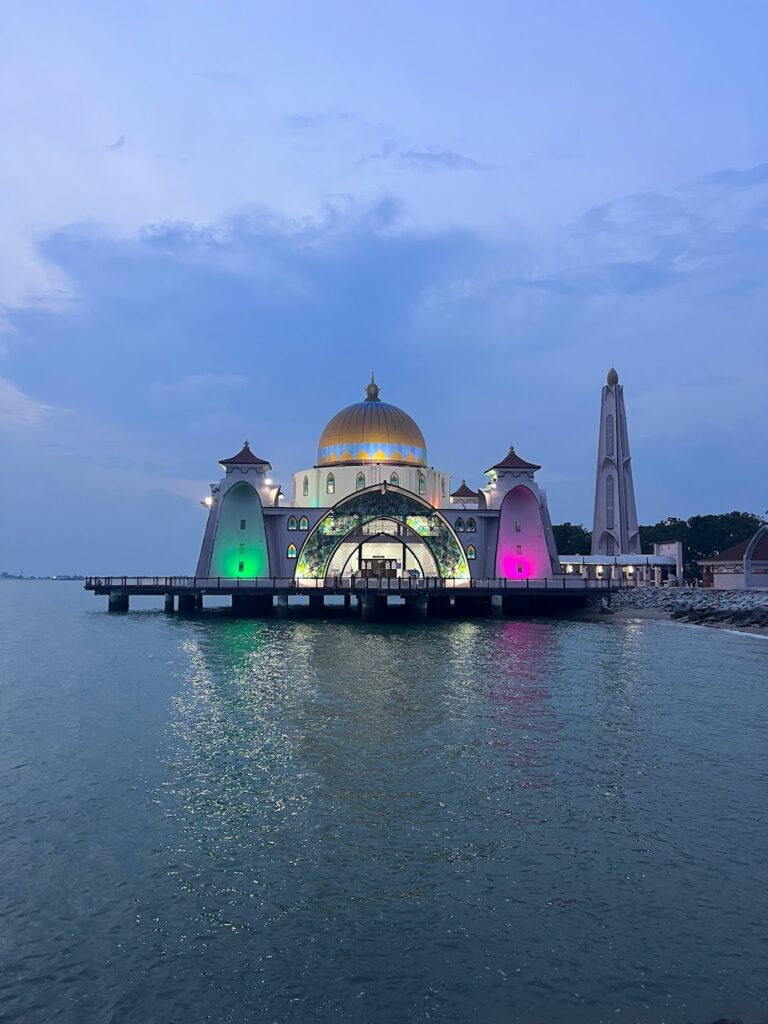
Malaysia is a multicultural nation made up of three main groups: Malay, Chinese, and Indian, each contributing to the country’s languages, religions, and food. The dominant religion is Islam, but Malaysia is known for its tolerance and diversity; mosques, temples, and churches often stand side by side. English is widely spoken, especially in cities, and locals are friendly and welcoming toward visitors. Malaysia is a mix of many Asian cultures in one country.
Brief History
Malaysia’s history reflects centuries of trade and colonization. The Malacca Sultanate was a major trading port long before the Portuguese, Dutch, and British arrived. After independence from Britain in 1957, Malaysia became a federation combining the Malay Peninsula with parts of Borneo (Sabah and Sarawak). Today, it’s one of the region’s most developed nations while still maintaining deep cultural traditions and natural heritage.
Getting to Malaysia
Most travelers arrive by air into one of Malaysia’s three main hubs: Kuala Lumpur on the peninsula, Kota Kinabalu in Sabah, or Kuching in Sarawak. These airports connect Malaysia to the rest of Asia, Europe, and beyond.
Overland travel is also easy. From Singapore, there’s a busy border crossing into Johor Bahru that can be done by train, bus, or car, and it’s one of the most popular ways into the country. From Thailand, there are several crossings in the north (Padang Besar, Bukit Kayu Hitam) that connect by train, bus, or ferry. Travelers can enter Sabah or Sarawak on Borneo by ferry or bus from Indonesia.
There are no ferries between Peninsular Malaysia and Borneo, so the only way to travel between them is by flight. Domestic flights are affordable and frequent.
Malaysia for First-Timers: Visa, SIM, ATMs, and More
Visa: Citizens of most countries (including the US, EU, UK, Australia, and New Zealand) can enter visa-free for 30 to 90 days. Always check the latest entry requirements before flying in.
Internet: Malaysia has great 4G coverage and fast Wi-Fi. Pick up a SIM card from Hotlink (Maxis), Digi, or Celcom, or grab an eSIM from Saily to get connected right away.
Want to take out the stress of getting a SIM Card in another country and be connected as soon as you step in?

Money & ATMs: The currency is the Malaysian Ringgit (MYR). ATMs are reliable and easy to find, and credit cards are widely accepted in most hotels and restaurants. Cash is still useful for local markets and food stalls.
Communication: English is widely spoken and understood, especially in cities and tourist areas. Bahasa Malaysia is the national language, so learning some basics always helps. Signs are bilingual almost everywhere.
Malaysia by Region: What to Expect
Peninsular Malaysia
Home to Malaysia’s biggest cities, colonial heritage, and some of its best islands, Peninsular Malaysia (also known as Mainland or West Malaysia) is the heart of the country. It’s easy to travel, well-connected, and offers a great balance between culture, adventure, and beaches.
The West Coast is the most developed and popular route for travelers.
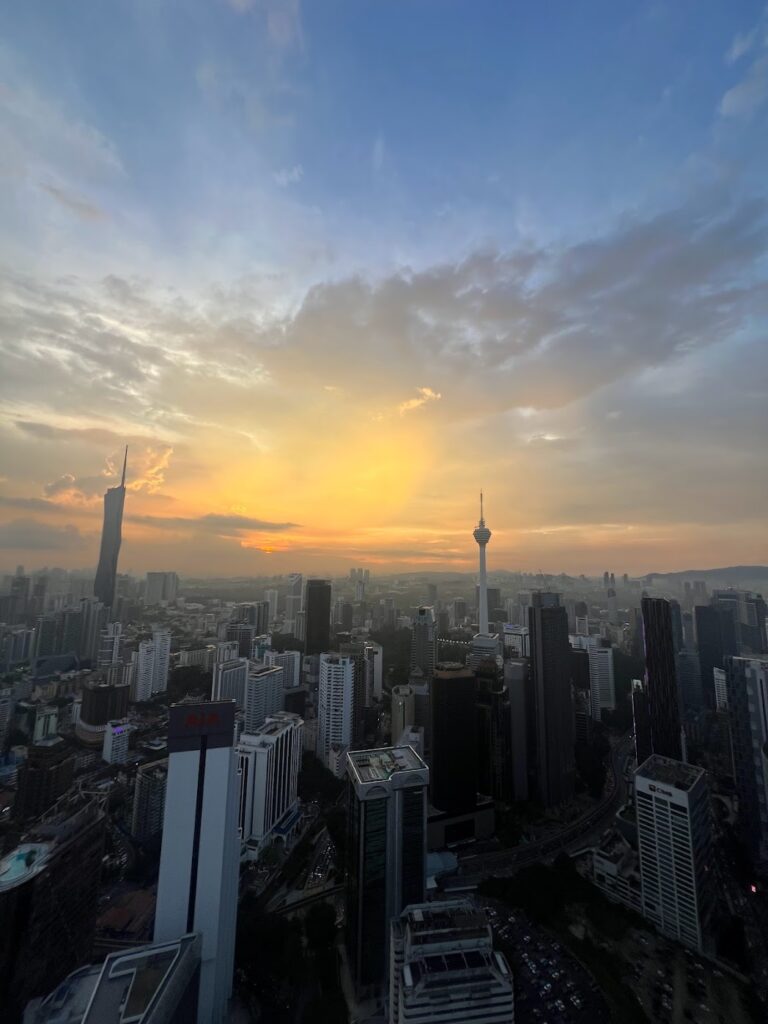
- Kuala Lumpur (KL) is the country’s dynamic capital. It’s a mix of skyscrapers, street food, temples, and malls. Highlights include the Petronas Towers, Batu Caves, and the city’s endless food courts.
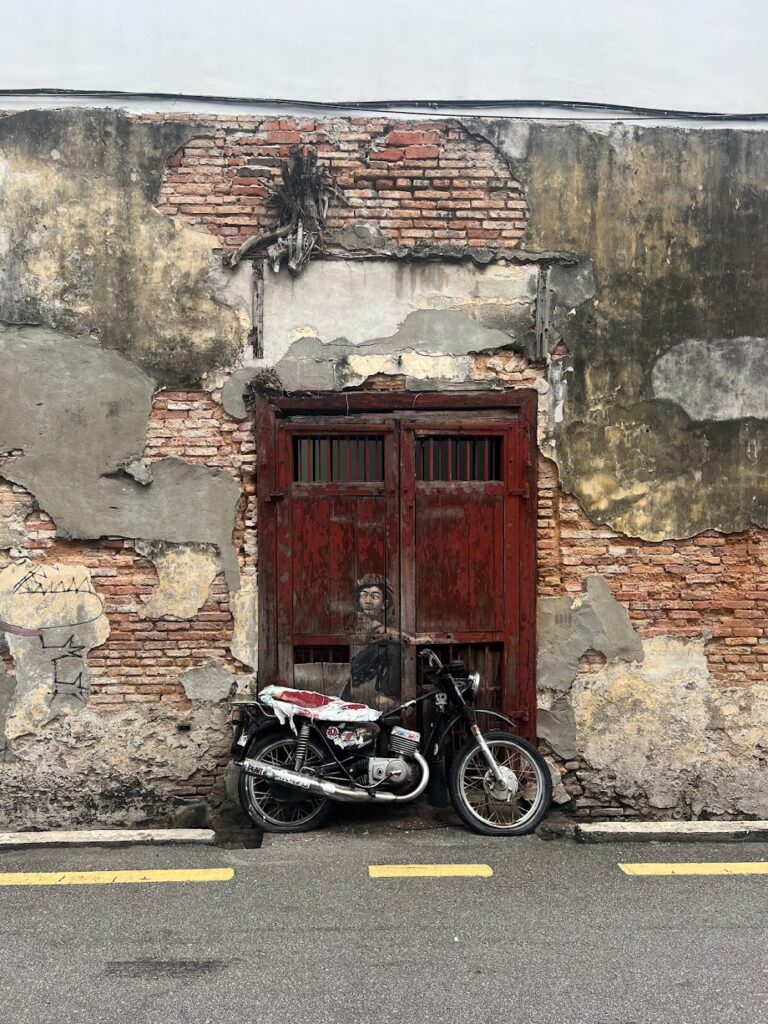
- George Town (Penang) is Malaysia’s cultural capital, famous for its UNESCO-listed old town, street art, and hawker food scene that’s among the best in Asia.
- Melaka (Malacca) blends colonial charm with vibrant street markets, riverfront cafés, and a strong mix of Chinese, Malay, and Portuguese influences.
- The Cameron Highlands are a cool mountain retreat dotted with tea plantations, strawberry farms, and hiking trails. It’s a refreshing escape from the tropical heat.
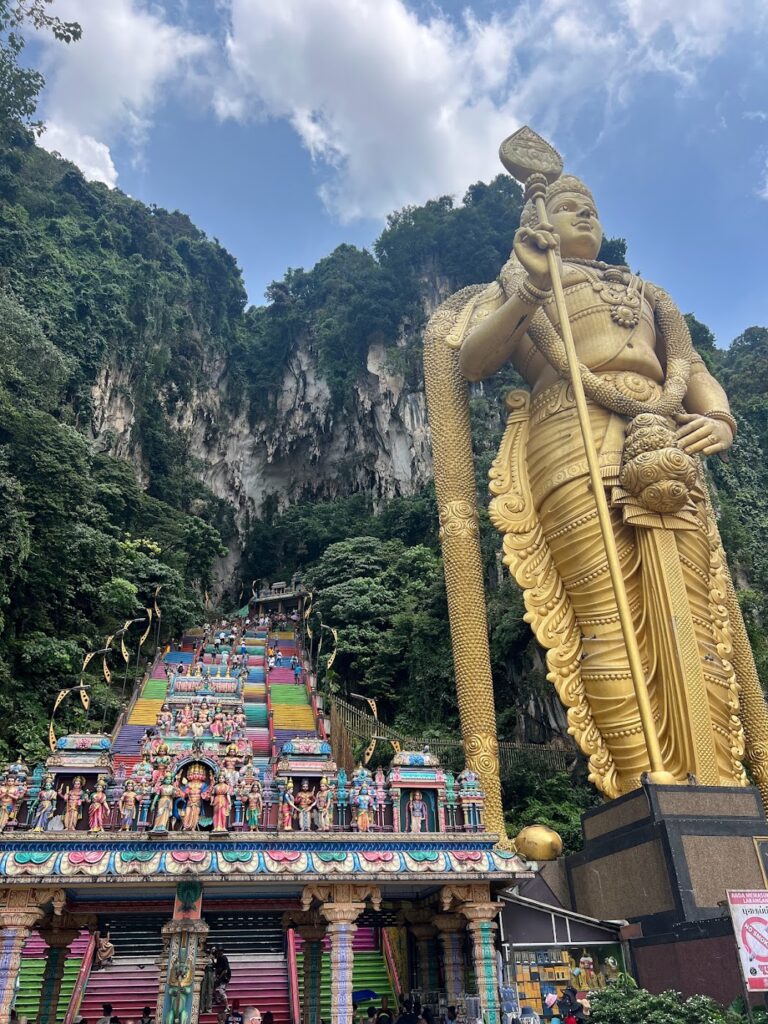
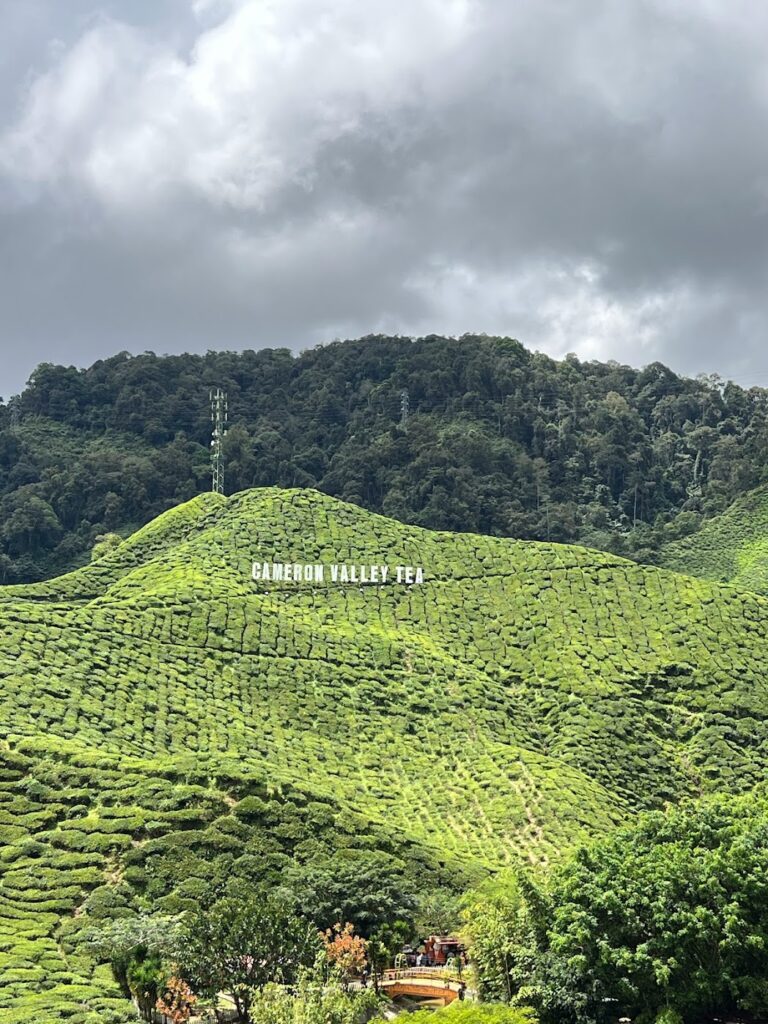
On the East Coast, life is slower and nature takes center stage.
- Taman Negara is one of the world’s oldest rainforests, offering canopy walks, night safaris, and river trips.
- The Perhentian Islands are perfect for budget beach lovers, while Redang and Tioman offer more upscale diving and snorkeling experiences with crystal-clear water and coral reefs.
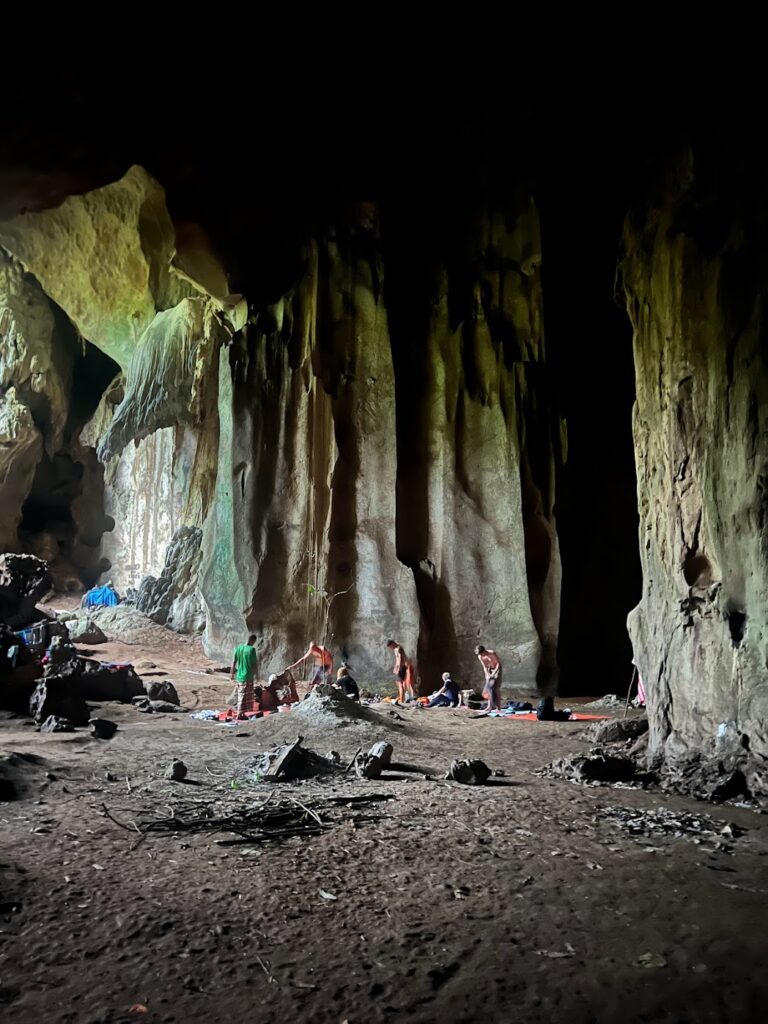
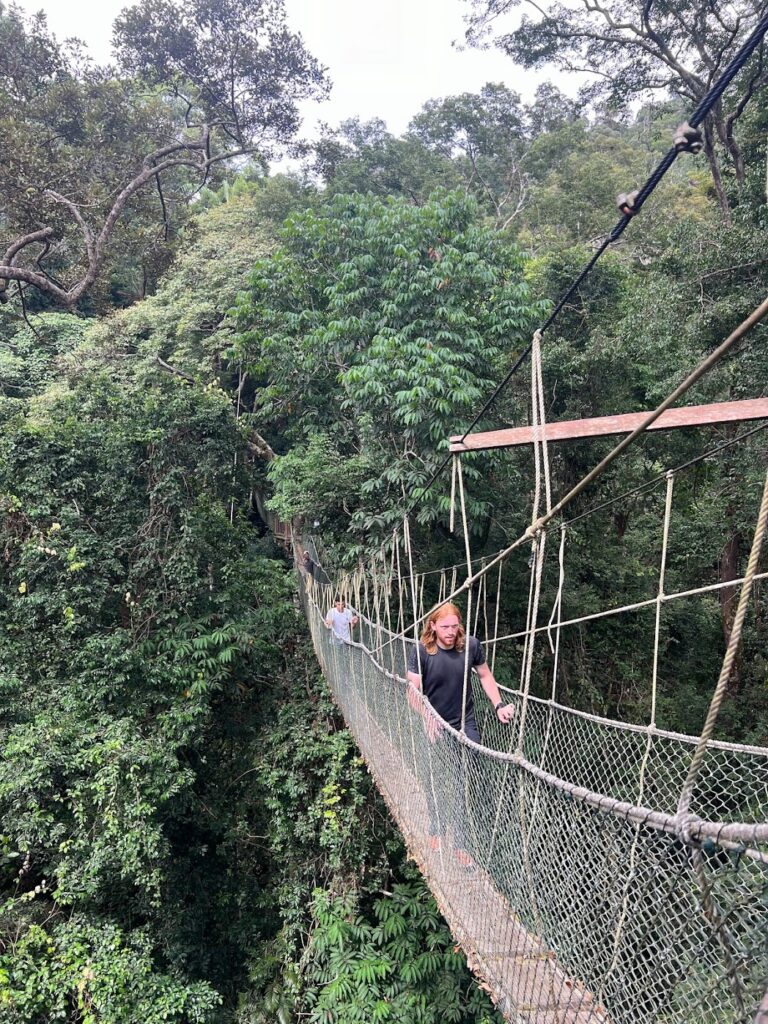
Sabah (Malaysian Borneo)
Sabah, in eastern Borneo, is an adventurer’s paradise. It’s known for its incredible biodiversity, tropical islands, and has a completely different feel from the mainland.
The capital, Kota Kinabalu, is the main gateway and a fun coastal city with great seafood and nearby islands you can visit on day trips, but there isn’t too much to do in the city itself. The state’s biggest attraction is Mount Kinabalu, Southeast Asia’s tallest peak. Kinabalu National Park is a UNESCO site filled with rare plants and mountain trails.
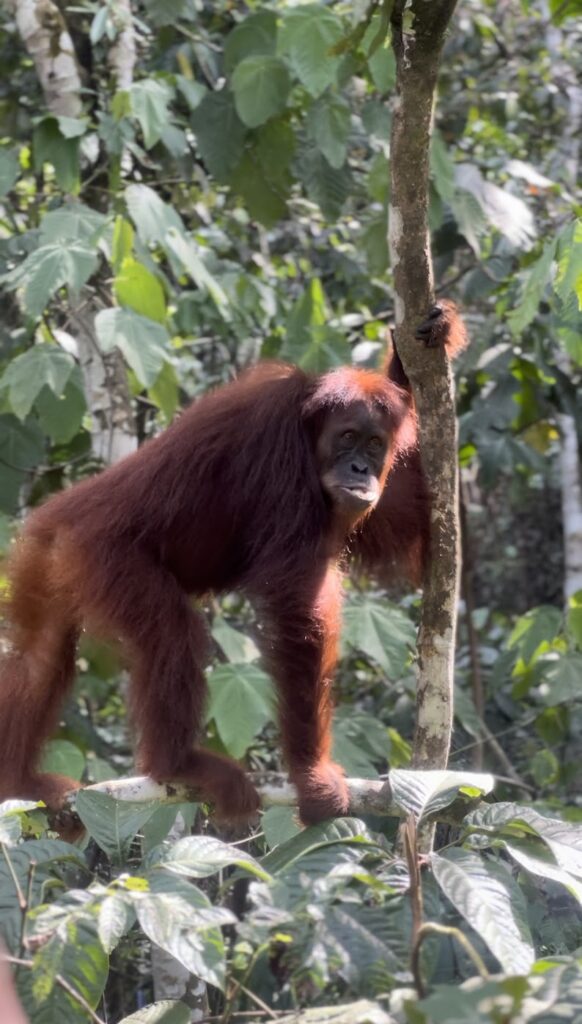
Wildlife lovers will want to visit Kinabatangan River, the only place where you can find all of the Borneo Big 5 Animals on river safaris, which include orangutans, crocodiles, hornbills, elephants, and proboscis monkeys. Nearby is the Sepilok Orangutan Rehabilitation Centre, where you can see rescued orangutans and proboscis monkeys up close.
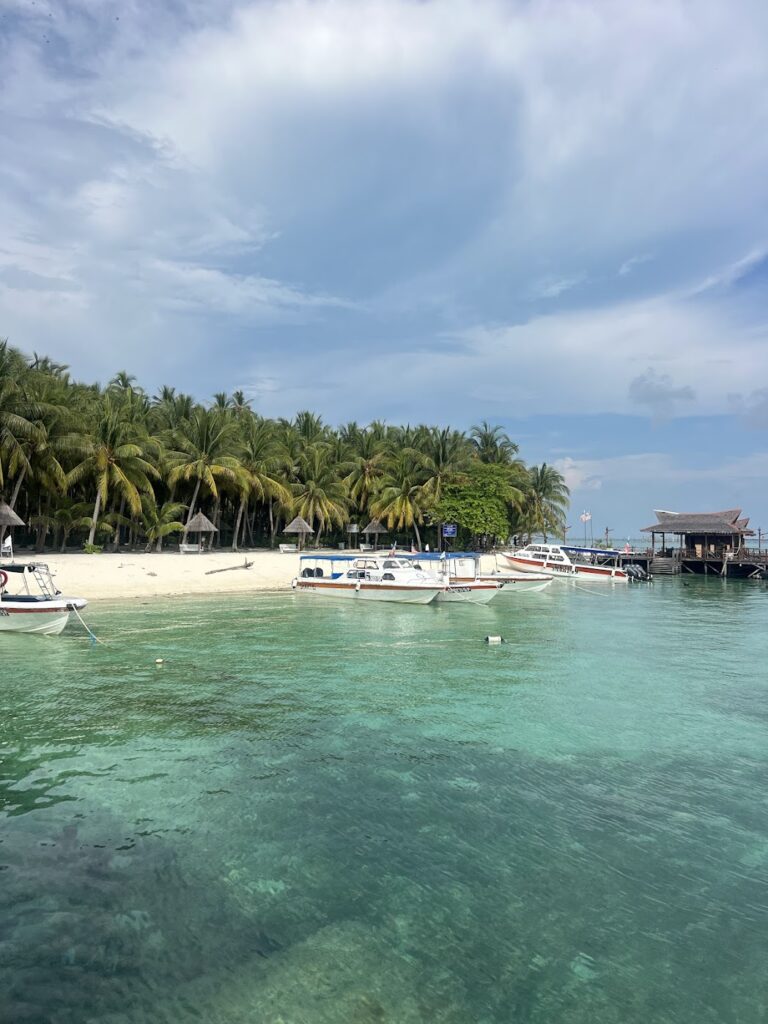
On the far east coast, the Semporna Islands (including Sipadan) are world-renowned for diving — often ranked among the best in the world. Sabah perfectly balances adventure and relaxation, with stunning scenery and a welcoming local culture.
Sarawak (Malaysian Borneo)
Sarawak covers Malaysian Borneo’s western side and is known for its vast rainforests, tribal heritage, and mix of old and new. The capital, Kuching, is one of Southeast Asia’s most charming small cities: laid-back, walkable, and filled with street art, colonial buildings, and food markets.
Want to be protected from accidents around the world, wherever you go?

From Kuching, you can explore Bako National Park, where proboscis monkeys and bearded pigs roam along jungle trails that open to beaches. Gunung Mulu National Park, a UNESCO World Heritage Site, is famous for its massive cave systems and limestone pinnacles, and is something you see in nature documentaries. It’s a region that feels wild, remote, and authentic, which is perfect for travelers who like getting off the beaten path.
Getting Around Malaysia
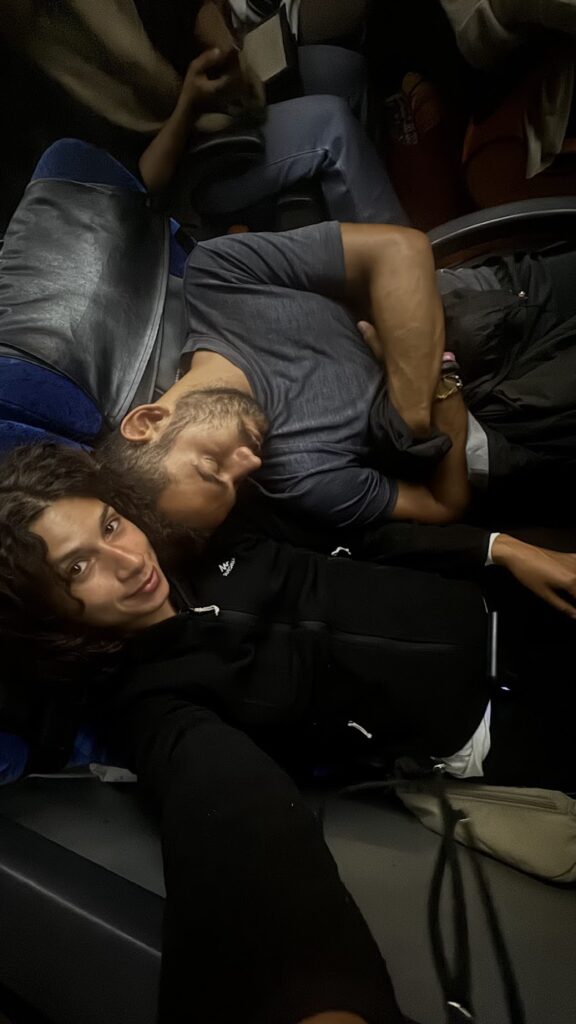
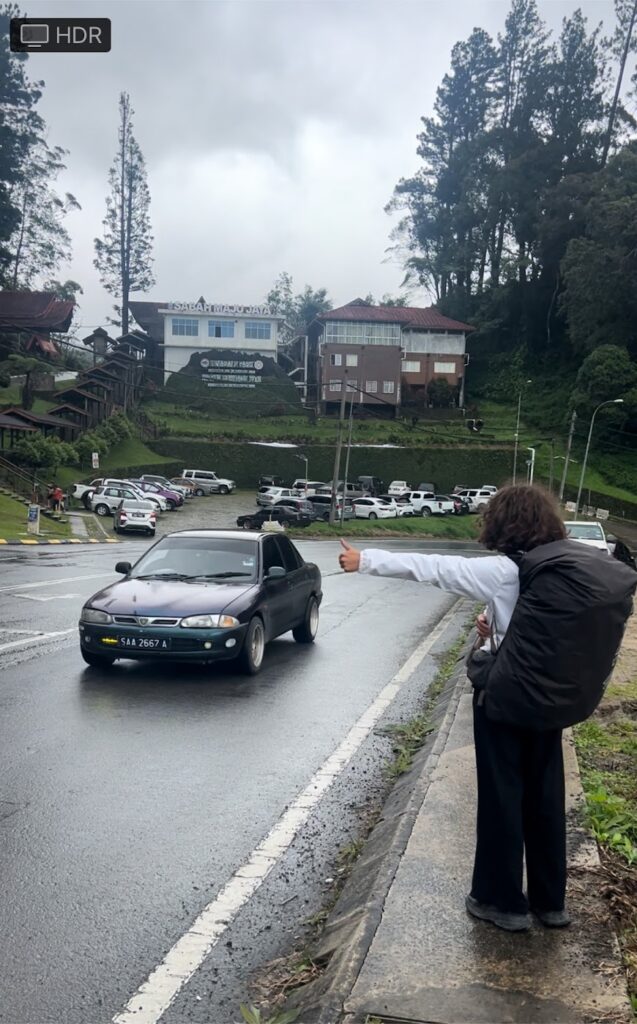
Malaysia is well connected by buses, trains, and low-cost flights. On the peninsula, long-distance buses are reliable and comfortable, connecting all major towns. Trains run from Singapore through Kuala Lumpur and up to the Thai border. For longer distances or travel between Peninsular Malaysia and Borneo, flights are the best option. AirAsia, Firefly, and Malaysia Airlines offer cheap domestic routes. We had some good luck hitchhiking in both the peninsula and Sabah! Within cities, Grab (the local ride-hailing app) is the easiest way to get around. Kuala Lumpur also has a good metro system.
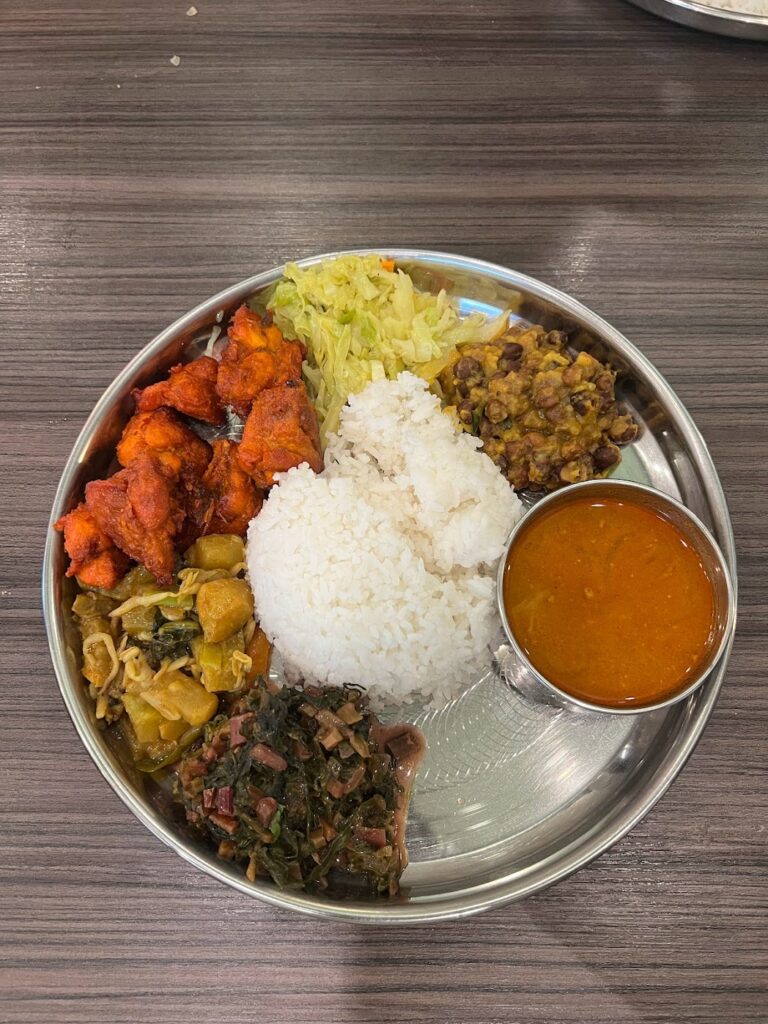
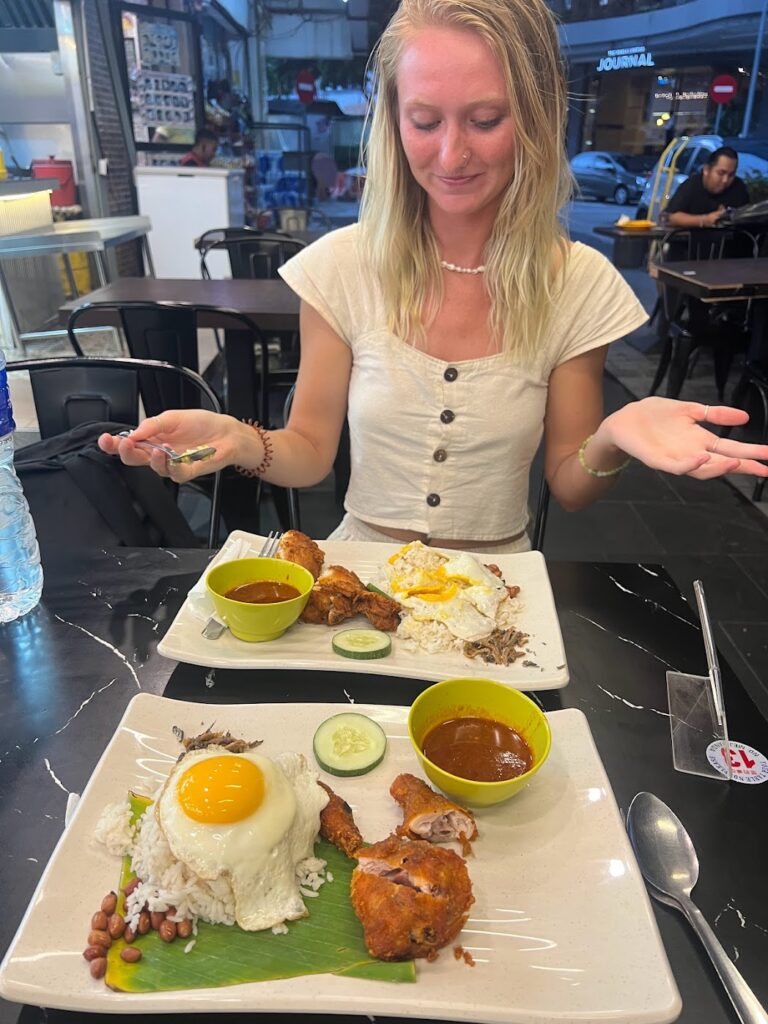
Malaysian Food You Have to Try
- Nasi lemak: Malaysia’s national dish — coconut rice served with sambal, fried anchovies, peanuts, egg, and cucumber.
- Char kway teow: Stir-fried flat noodles with prawns, egg, and soy sauce, a Penang classic.
- Roti canai: Flaky Indian-style flatbread served with curry for dipping.
- Laksa: Spicy noodle soup with coconut milk or tamarind broth, depending on the region.
- Satay: Skewered, grilled meat served with rich peanut sauce.
- Mee goreng: Spicy fried noodles with egg, tofu, and vegetables.
- Teh tarik: “Pulled tea” made creamy and frothy by pouring it back and forth
- Durian: The infamous “king of fruits,” loved and hated for its strong smell and custard-like texture.
Major Cultural Events and Festivals
- Thaipusam (January/February): A colorful Hindu festival celebrated at the Batu Caves near KL, where devotees carry ornate offerings and pierce their bodies in acts of devotion.
- Chinese New Year (January/February): Huge celebrations across the country, especially in Penang and KL.
- Hari Raya Aidilfitri (Eid al-Fitr): The end of Ramadan, marked by feasts and open houses where everyone is welcome.
- Gawai Dayak (June): A harvest festival in Sarawak celebrating Indigenous Dayak culture with music, dancing, and rice wine.
- Rainforest World Music Festival (July): A major music event held near Kuching, bringing together traditional and contemporary artists from around the world.